
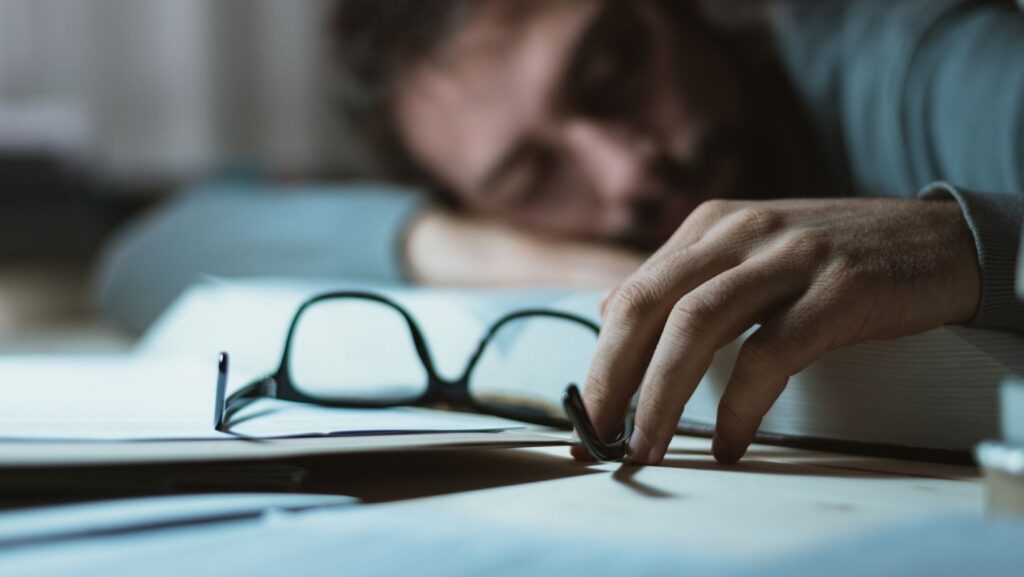
You are exhausted, but you cannot sleep.
You lay down and your brain turns on.
You wake up at 2 a.m. wide awake.
You feel puffy, sore, and foggy the next day.
Then you start to wonder if hormones are the problem, and if Testosterone Replacement Therapy is the answer.
Here is the key answer in plain words (within the first 200 words): your evening routine can protect your sleep, and sleep helps protect your hormones. Sleep loss has been shown to drop testosterone in as little as one week of short sleep. Alcohol before bed can also change sleep stages and reduce REM sleep, which can leave you feeling tired and mentally off the next day. If you do not protect sleep first, you can feel stuck even if you try supplements, diet changes, or even Testosterone Replacement Therapy.
Why Sleep Is A Hormone Issue, Not Just A Comfort Issue
Sleep is when your body repairs.
When sleep is broken, a lot of symptoms get louder:
Low energy
Cravings
Low mood
Brain fog
Lower libido
It can feel like your whole system is “off.”
The CDC emphasizes sleep quality, not just hours, and recommends habits like consistent sleep timing, turning off devices 30 minutes before bed, and avoiding alcohol, caffeine, and large meals close to bedtime.
Conventional Care Often Misses What You Feel At Night
In short visits, sleep is often treated like a side note.
You might get a sleep medication suggestion or a quick “try melatonin.”
Root-cause care treats sleep like a core signal. Because if sleep is broken, hormones and metabolism cannot stabilize.
This is also why some people say: “My labs improved, but I still feel tired.”
Numbers are data. Sleep is the foundation.
Build An “Off Ramp” For Your Nervous System
Most people go from full-speed life straight into bed.
That is like slamming on the brakes and expecting smooth sleep.
Instead, build a buffer zone 60 minutes before bed:
Dim the lights.
Lower the noise.
Do something calm.
The goal is to tell your body: “The day is over.”
Alcohol: The Nightcap That Steals Tomorrow
A drink can make you sleepy.
But the science is clear that alcohol can disrupt sleep architecture.
A Sleep Medicine Reviews meta-analysis found alcohol affects sleep structure, including delayed REM onset and reduced REM duration, and that the disruption worsens with higher doses.
A study in the journal Sleep found alcohol before sleep substantially affects sleep architecture and decreases REM sleep.
The CDC also includes avoiding alcohol before bedtime as a healthy sleep habit.
If you wake up at 2 or 3 a.m., alcohol is one of the first levers to test.
Caffeine: The “Afternoon Habit” That Shows Up At Midnight
If you drink caffeine late, it can harm sleep even if you fall asleep fast.
A controlled study found caffeine taken 6 hours before bedtime still had important disruptive effects on sleep.
The CDC recommends avoiding caffeine in the afternoon or evening.
If you feel “tired but wired,” moving caffeine earlier can be a game changer.
Screens And Bright Light: The Sleep Signal Blockers
Light is one of the biggest drivers of your circadian rhythm.
Expert scientific consensus guidance supports brighter daylight and dim light in the evening and night to support sleep and physiology.
So when you scroll in a bright room late at night, your brain can read that as “daytime.”
Try this:
Screens off 30 to 60 minutes before bed
Dim overhead lights
Use a lamp instead
Keep the room darker
Small changes can help more than you expect.
Dinner Timing: Keep Your Gut From Waking You Up
If you eat heavy meals late, digestion can wake you up.
The CDC recommends avoiding large meals before bedtime.
Aim to finish dinner a few hours before bed when you can.
If you need a snack, keep it small and simple.
If You Wake Up At 2 A.M., Try This Simple Troubleshooting
If you wake up and your brain starts racing, it usually means one of these is happening:
Your sleep is being disrupted by alcohol or caffeine.
Your room is too bright or too warm.
Your stress system is still “on.”
A sleep disorder like sleep apnea may be present.
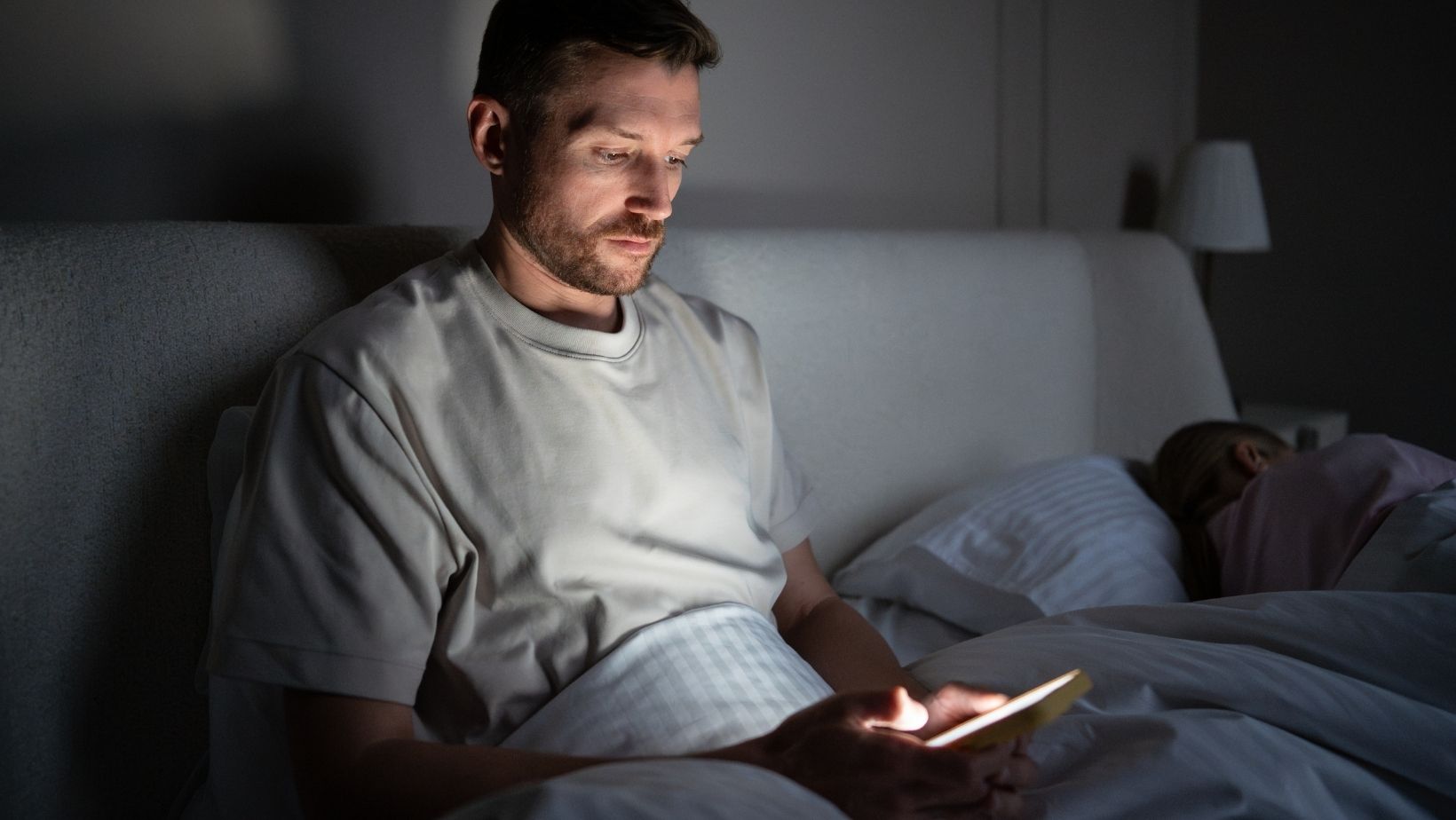
Try this for one week:
No alcohol before bed.
Caffeine earlier.
Cool, dark room.
A 10-minute wind-down routine every night.
If you still wake up choking, gasping, or unrefreshed, treat that as a medical clue, not a character flaw.
Watch For Sleep Apnea Signs Before You Blame Testosterone
If you snore loudly, gasp, or wake up unrefreshed, you deserve a deeper look.
A Frontiers review summarizes meta-analyses showing men with obstructive sleep apnea have significantly lower serum testosterone compared with controls.
This matters for TRT safety too. The Endocrine Society recommends against starting testosterone therapy in untreated severe obstructive sleep apnea.
So if sleep apnea is on the table, treat sleep as step one.
If You Are Considering Testosterone Replacement Therapy, Protect Sleep First
Sleep restriction has been shown to lower testosterone quickly.
So before you commit to Testosterone Replacement Therapy, test the basics for two weeks:
No alcohol before bed
No caffeine late
Screens off before sleep
Consistent sleep schedule
If symptoms improve a lot, that is useful information for you and your clinician.
If You Are On Testosterone Replacement Therapy, Sleep Is Part Of Monitoring
Good TRT care includes monitoring.
The Endocrine Society recommends standardized monitoring including symptoms, serum testosterone, hematocrit, and prostate risk evaluation in the first year.
But you also need to monitor how you feel.
If your sleep is still broken, that is not “nothing.” That is a clue.
Also remember the FDA required class-wide labeling changes including warnings about increased blood pressure with testosterone products. Sleep, alcohol, and stress can push blood pressure too, so routines matter even more.
Safety Note And Disclaimer
This is educational and not medical advice. Testosterone products are FDA-approved only for men with low testosterone due to certain medical conditions, and the FDA cautions against use for age-related low testosterone without a clear medical cause. Do not self-prescribe hormones. Work with a qualified clinician who follows evidence-based diagnostic steps and monitoring.
Bottom Line
Evening routines are not a “nice extra.” They are a hormone protection plan.
When you protect sleep, you protect your energy and your hormone balance. And if you still need Testosterone Replacement Therapy after that, you start from a stronger and safer foundation.