
Selecting the appropriate roof covering is one of a homeowner’s most crucial decisions.
If you get it wrong you end up with a leaky roof that costs you more to run and maintain.
Get it right? The home is protected for decades.
Here’s the thing…
Not all roofing materials were made to protect every home. Climate, home style and budget all play a part. If you find yourself in need of storm damage roof repair, your material can determine whether you need a simple repair or a complete replacement. By choosing a Professional Roofing Company in Tacoma, trained professionals can advise on what material can best withstand PNW weather.
Jump Straight To:
Why Your Roofing Material Matters
A roof does battle with whatever mother nature can dish out towards a home.
Rain, wind, hail, snow – guess what your roof has to deal with before your living room? And considering 33% of all U.S. roof replacements are caused by storm damage, choosing a material that can stand up to that impact is more important than most people realise.
One other tidbit worth knowing? Americans spent nearly $31 billion on roofing repairs in 2024. That’s U.S. roofing repair and replacement costs, which have risen 30% since 2022, largely due to weather-related events.
Choosing the right material can reduce repairs, extend lifespan and give a roof its best chance against Mother Nature.
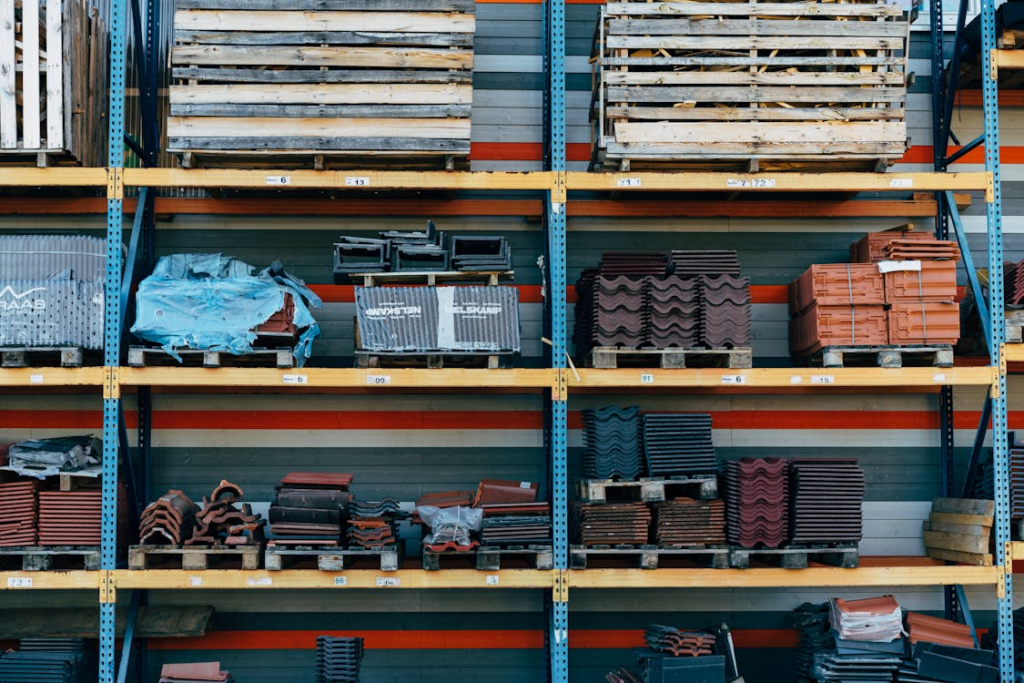
The 5 Main Types of Roofing Materials
1. Asphalt Shingles
Asphalt shingles are by far the most common roofing material used across the country.
They are inexpensive, easy to install, and are available in an enormous variety of colors and styles. Most roofs made with asphalt shingles have a life expectancy of 20-30 years depending on the quality of the shingle and weather conditions. 85% of roofing contractors deal with steep slope asphalt shingles, which speaks volumes about how popular they continue to be in the residential market.
Best for:
- Standard residential homes
- Budget-conscious homeowners
- Areas with moderate weather conditions
The drawback? Asphalt shingles have weaker storm resistance than other materials. Strong winds can rip them off and deep hail bruises their granule covering — cutting their life expectancy drastically.
2. Metal Roofing
Metal roofs aren’t going away any time soon. Metal roof demand increased by 35% from 2024-2025 because of how durable and energy-efficient they are. This is especially true in areas severely affected by storms.
That growth is understandable. Metal roofs can last 40-70 years, stand up to high winds with no problem, and allow rain and snow to slide off quickly. They don’t burn easily, and are very recyclable.
Best for:
- Homes in storm-prone or high-wind regions
- Homeowners looking for long-term value over short-term savings
- Modern and contemporary architectural styles
The one drawback is cost. Installing a metal roof costs more than asphalt. However, metal roofs usually prove to be the wiser investment.
3. Clay and Concrete Tiles
Clay and concrete tiles are ideal for a traditional Mediterranean or Spanish style.
They last forever — 50 years or more — and resist fire, decay and insects. Plus they work really well in hot, dry areas.
Best for:
- Spanish, Mediterranean, or Mission-style homes
- Hot, dry climates like the American Southwest
- Homeowners prioritising a distinctive, high-end aesthetic
One caveat: they are heavy. Not all roofs can support the weight of a clay tile roof. The roof structure should be assessed before installation. Clay tiles can crack from point impacts of large hail or falling branches.
4. Slate Roofing
Slate is the highest-end roofing material. When installed correctly, slate roofs have been known to last upwards of 100 years.
It is organic, fireproof and has a classic appeal that works well with older, historic homes.
Best for:
- Historic, colonial, or Victorian-style homes
- Homeowners making a genuine long-term investment
- Areas with heavy rainfall or significant snowfall
Slate isn’t cheap — the materials and installation come at a cost. Additionally, it takes special expertise to install and repair storm damage to slate roofs, so not all contractors are capable of this work.
5. Wood Shingles and Shakes
Wood shingles and shakes offer unmatched natural, rustic appeal for a home.
The wood used most often is cedar, because it is durable and naturally insect and rot resistant. A wood roof should last 25 to 30 years with proper maintenance.
Best for:
- Craftsman, cottage, or Tudor-style homes
- Mild, dry climates
- Homeowners where aesthetics are the priority
The main disadvantage is flammability — wood roofing shouldn’t be used in areas susceptible to wildfires. It also requires higher regular maintenance to prevent moss, mould and decay, especially in rainy areas.
Which Material Suits Each Home Best
Here’s a quick reference to simplify the decision:
| Home Style | Best Roofing Material |
|---|---|
| Standard suburban | Asphalt Shingles |
| Modern or industrial | Metal Roofing |
| Spanish / Mediterranean | Clay or Concrete Tiles |
| Historic / colonial | Slate |
| Cottage / craftsman | Wood Shingles |
Climate is always one factor in making that decision. Metal works well in the wind-driven Pacific Northwest. Clay tiles are ideal in the dry Southwest. Slate performs well in cold, wet climates of the northeast.
What To Do After Storm Damage
Wind damage can happen to any type of roof — knowing what to look for is key.
After severe weather, inspect the roof for missing or curling shingles, cracked tiles, dented metal panels and water stains on interior ceilings. Almost 4 out of every 10 homes in America have roofs that are in moderate to poor condition, so storm damage is more likely than most people realise.
Don’t procrastinate. Small problems become big in a hurry. One loose shingle can become a major leak in a few weeks in a rainy climate.
The best course of action is to call for a professional inspection as soon as possible following severe weather. The earlier damage is caught, the more affordable repairs will be — and the better protected the home stays.
The Bottom Line
Roofing material is not a one-size-fits-all decision.
Asphalt shingles work with most homes and budgets. Metal is the intelligent choice for longevity in high storm areas. Clay and concrete tiles make sense in certain climates and on certain homes. Slate roofs last the longest, but cost more. Wood shingles add character and a classic look — if the climate allows.
Match the material to the home, the climate, and the budget.
Do that and a roof will perform exactly as it was designed — protect everything under it for many years.