
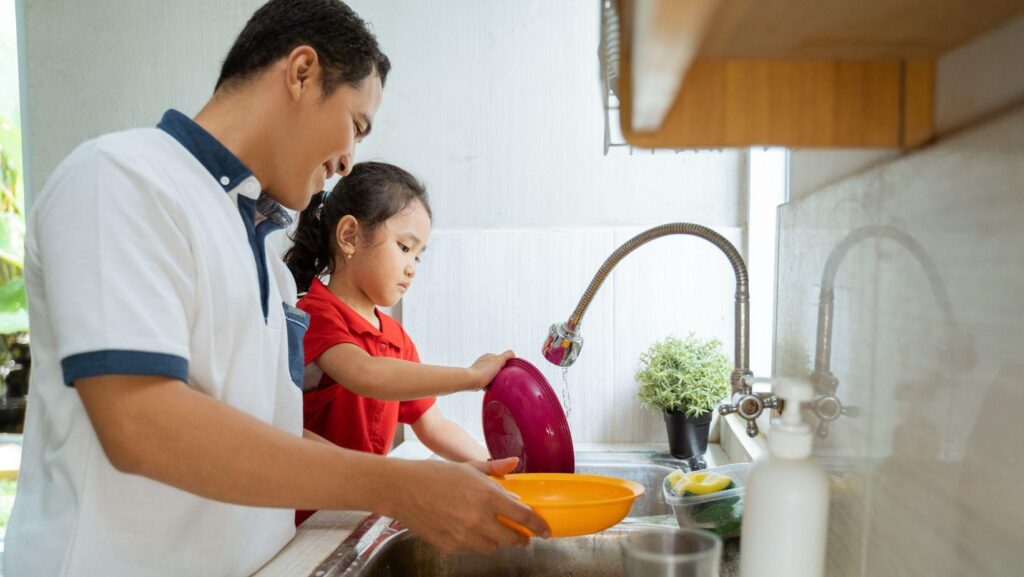
Most parents focus on visible cleanliness, vacuumed floors, wiped counters, tidy rooms. But some of the most important factors affecting a child’s health are hidden behind walls and ceilings. Plumbing and HVAC systems quietly shape the air children breathe and the water they use every day.
When these systems are clean and well-maintained, they help create a safer indoor environment. When neglected, they can contribute to mold growth, poor air quality, and contaminated water — issues that often affect children first because of their developing immune systems. Here’s what every parent should know.
1. Kids Are More Sensitive to Indoor Environmental Conditions
Children are not just smaller adults, their bodies are still developing, and they breathe more air relative to their size. This means they’re more exposed to whatever is circulating indoors, whether it’s clean air or harmful particles.
Poor indoor environments can trigger respiratory discomfort, frequent colds, and allergy flare-ups. Since children spend most of their time indoors, especially in bedrooms and play areas, air quality and water safety become essential parts of their overall well-being.
2. Clean Plumbing Affects More Than Water Flow
Clean plumbing is more than just reliable water flow; it directly impacts what children consume and come into contact with every day. Drinking water, bathing, and even washing hands all depend on a safe plumbing system.
3. Poorly Maintained Pipes Create Hidden Problems
When plumbing is poorly maintained, several problems can arise:
Over time, these issues can contribute to stomach illnesses, skin irritation, and general discomfort in children. Regular inspections and timely repairs help ensure that plumbing systems remain safe, clean, and dependable.
4. HVAC Systems Shape the Air Your Children Breathe
A well-maintained HVAC system does far more than regulate temperature; it directly affects indoor air quality. When functioning properly, it filters out dust, allergens, and airborne particles that can irritate a child’s respiratory system.
However, when HVAC systems are neglected, dirty filters and ducts can circulate pollutants throughout the home. This may worsen asthma symptoms, trigger allergies, and create an overall uncomfortable environment for children. Humidity control matters too, excess moisture encourages mold growth, while overly dry air can irritate the throat and skin.
5. Everyday Health Risks Often Go Unnoticed
Many families don’t immediately connect health issues with home systems, but the signs often appear gradually:
Recognizing these risks early helps prevent long-term health concerns and reduces unnecessary medical stress for families.
6. Simple Maintenance Habits Make a Big Difference
Creating a healthier home doesn’t always require major renovations; consistent maintenance is often enough:
Homeowners can benefit from expert guidance when dealing with recurring plumbing concerns. That’s why many families choose to learn more about Mr. Rooter, trusted plumbers in Winnipeg, for reliable inspections and repairs that help maintain a safe home environment.
Prevention is always more effective and more affordable than emergency repairs.
7. Investing in Professional Systems Pays Off Long-Term
A child’s comfort and health are closely tied to the air they breathe every day. A properly functioning HVAC system helps regulate temperature, reduce allergens, and maintain steady airflow throughout the home. These conditions support better sleep, improved focus, and fewer respiratory issues.
For families considering upgrades or system improvements, investing in professional cooling system installation can make a meaningful difference. A well-designed system ensures consistent temperature control while supporting healthier indoor air quality year-round.
The Bottom Line
A healthy home is not just about cleanliness; it’s about the systems that support everyday living. Plumbing and HVAC systems play a silent but powerful role in shaping water safety and air quality, both of which directly affect children’s health.
By staying proactive with maintenance, addressing issues early, and investing in professional care when needed, families can significantly reduce preventable health risks, creating a safer, more comfortable environment where children can thrive.