
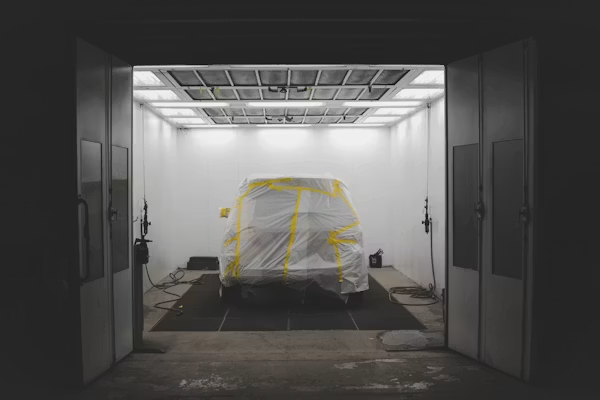
A portable paint booth gives you a closed space to spray without turning your garage into a dust trap. It keeps overspray off your walls, tools, and anything sitting nearby. Anyone who works with a sprayer, from furniture flippers to weekend mechanics, runs into the same problem of paint particles drifting everywhere. A good booth solves that by trapping the mess inside one enclosure. Once you understand what actually matters in these units, picking one gets a lot simpler.
Most buyers get stuck comparing brands before they even know what specs to look at. That leads to picking a booth that is too small, too weak on airflow, or too flimsy for regular use. This guide walks through the real factors that decide whether a portable paint booth works for your space or ends up folded in a corner. We will also cover what changes when you need a car paint booth instead of a small hobby tent. By the end you should know exactly what to check before you buy.
Picking the Right Size for Your Space
Size is the first thing to nail down, and it depends entirely on what you paint. If you mostly handle small parts, drawers, or model kits, a compact tabletop booth with a fan and filter is plenty. Furniture painters need more room to walk around a dresser or chair without brushing wet paint. Measure your largest project plus a couple of feet on every side before you buy anything. That extra space matters more once you add lighting stands or a turntable inside.
For anyone painting vehicles, the math changes completely. A car needs open doors, room to walk the full perimeter, and clearance above the roofline for a spray gun angle. Motorcycle and small engine work needs less floor space but still benefits from height. Check the listed interior dimensions against your vehicle’s actual length and width, not just a general estimate. A booth that looks big in photos can feel tight once a sedan is parked inside it.
Material and Build Quality to Check
The fabric holds everything together, so it deserves real attention. Oxford cloth with a PVC or PU coating resists tearing and blocks light better than thin polyester. Seams matter just as much as the base material, since that is where booths usually fail first. Reinforced stitching and taped seams stop air leaks and keep the structure from sagging over time. Zippers should feel sturdy, not like something that will jam after a dozen uses.
Frame type also affects durability. Inflatable models use air beams instead of poles, which removes a common failure point but relies on a working blower to stay upright. Pole based tents set up fast but can wobble in a breeze if you work outdoors. Whichever style you pick, check if replacement panels or patch kits are sold separately. That single detail tells you whether the maker expects the booth to last for years or just a season.
Airflow, Blower Power, and Filtration
Airflow is what actually clears fumes and pulls overspray away from your work. A weak blower leaves paint particles floating and settling back onto wet surfaces, which ruins a finish fast. Look at the blower wattage and how many filter stages the system uses. A three stage setup with a primary filter and a carbon layer handles both particles and odor better than a single mesh screen. This becomes even more important indoors where fumes have nowhere else to go.
A car paint booth needs stronger airflow than a small hobby tent simply because of the volume of air inside it. Cross flow designs pull air from one side and push it out the other, which works fine for most home setups. Downdraft systems pull air from above and are harder to find in portable units but give a cleaner finish for serious work. Whatever system you choose, run the blower for a few minutes before spraying to clear out any stale air first. Always keep the booth in a space with outside venting, since a sealed room defeats the purpose of the filters.
Setup, Portability, and Storage
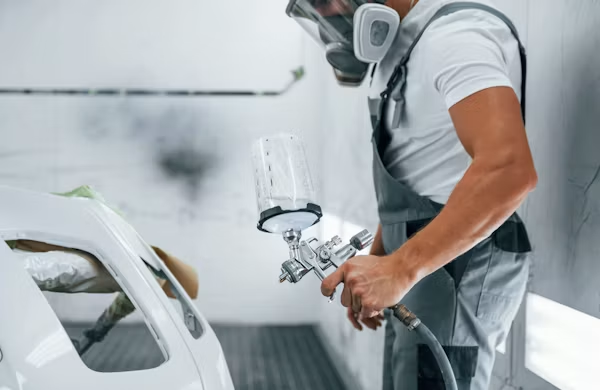
Portability is the whole point of these booths, so setup time matters. Most inflatable models go from bag to usable space in under ten minutes with an electric pump. Pole tents can take longer since you are threading rods through fabric sleeves by hand. Check how the booth packs down too, since a bulky carry bag defeats the purpose if you cannot fit it on a shelf. Weight matters as well if you plan to move it between a garage and a driveway.
Ground stakes and sandbags are worth checking for outdoor use, since wind can shift a lightweight booth mid job. A few models include repair patches or spare zipper pulls in the box, which saves a headache later. Storage pockets inside the booth help keep spray guns, tape, and extra filters within reach. None of these are dealbreakers on their own, but they add up to a much smoother experience over repeated use.
Choosing the Right Setup for Car Work
A car paint booth has different demands than a booth built for furniture or crafts. You need enough interior height to work around a roofline, plus side clearance to walk the length of the vehicle. Door access matters too, since some designs only zip open on one side, which slows down loading and unloading. If you plan to paint bumpers or panels separately from the full body, a slightly smaller booth may work fine. But for full respray jobs, size down as little as possible from the largest option that fits your space.
Lighting inside a car paint booth is worth prioritizing since shadows hide flaws until the paint has already dried. Built in LED strips along the top beam give more even coverage than a single work light propped in a corner. Some booths also include a floor liner or disposable film layer to catch drips and make cleanup faster. Check that any accessories are actually included rather than sold separately before comparing prices between models.
Common Mistakes to Avoid
A lot of buyers pick a booth based on price alone and skip checking the blower specs entirely. That usually means dealing with lingering fumes and dust settling back onto a fresh coat. Others buy a size that fits their current project but nothing larger, then outgrow it within a year. Measuring your biggest likely project, not just your next one, saves a second purchase down the line. It also helps to read return policies closely, since inflatable frames and fabric panels are not always covered the same way.
Skipping ventilation checks is another common error, especially indoors. Running a booth in a closed garage without cracking a door or window traps fumes instead of clearing them. Even a strong blower needs somewhere for that exhaust air to go. Before your first paint job, do a dry run with the blower on to feel where air is moving and where it might be stagnant. That five minute check can prevent a ruined finish and a room full of fumes.
Frequently Asked Questions
What size portable paint booth do I need for a car?
Look for at least twenty feet of length and enough height to clear the roofline with room to walk around both sides comfortably.
Can a portable paint booth be used indoors?
Yes, as long as the space has outside ventilation and the blower can push fumes out rather than recirculating them.
How long does a car paint booth usually last?
With proper storage and care, a well built inflatable or tent style booth can last several years of regular use.
Do portable paint booths need special filters?
Most use replaceable primary and carbon filters, and swapping them regularly keeps airflow strong and odor under control.
Is an inflatable booth better than a pole tent?
Inflatable booths set up faster and hold shape better, while pole tents are usually lighter and simpler to repair on your own.