
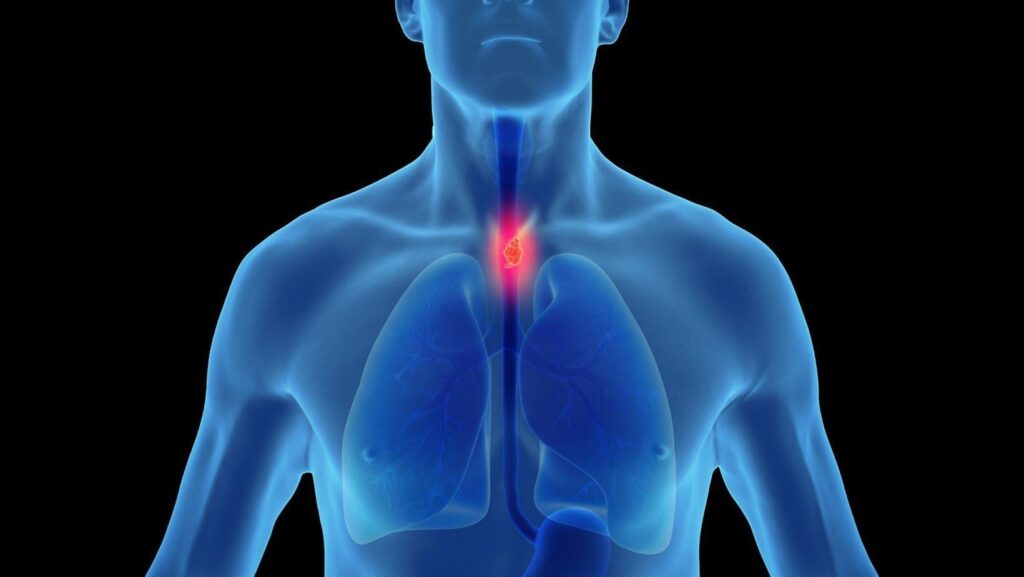
Esophageal Cancer can affect many aspects of a patient’s life while they are going through their Esophageal Cancer journey. It can affect not only the physical health of a patient but also their emotions and the activities they do daily. In addition, the relationships of patients with family and friends can be affected as well as their appetite and sleep. The treatment of the disease can also have many physical and emotional effects on a patient.
Learning about their condition can help patients better understand their experience and communicate with the healthcare team.
Understanding the Physical Effects of Treatment
Esophageal cancer and its treatment can affect people in different ways with a range of physical symptoms. Some symptoms are caused by the cancer itself, while others may be caused by the treatment. Some people may experience effects on eating and drinking habits. Some people may experience sleep disturbances, limitations in daily activities, difficulty in swallowing, nausea, tiredness, reduced appetite, weight loss, or discomfort affecting the mouth and throat. The type and severity of symptoms can vary from person to person, and there may be other treatment-related effects as well.
The effects of treatment for Esophageal Cancer can affect every person in different ways. The method and the stage at which the cancer is treated will depend upon the size and position of the tumor(s), the type of cancer and the overall health of the patient. There are several methods of treatment for Esophageal Cancer including: surgery, chemotherapy, radiation therapy and a combination of these. More recently other methods of treatment have been introduced including: targeted therapy and immunotherapy.
Keeping a symptom record is helpful for many patients between treatment sessions. The record is complete and up-to-date and will highlight any changes to the patient’s symptoms. The patient can then discuss these with their cancer care team.
Supporting Nutrition and Hydration
However, for some people with esophageal cancer, their disease or treatment can affect their ability to eat and drink, due to difficulties with swallowing and other problems with the mouth and throat, caused by cancer or its treatment.
The body needs calories, protein, fluids, and a variety of vitamins and minerals to keep the patient healthy and to manage cancer. The esophagus or swallowing system needs special care to help the patient to eat. Consuming nutritional supplements such as liquid calories or changing the food texture to make it easier to swallow can help. Eating small, frequent meals may also be helpful. It is also helpful to avoid foods and/or liquids that cause discomfort. Consulting a registered dietitian and the healthcare team may be helpful. In some cases, a feeding tube may be considered.
A feeding tube is inserted into the stomach, the small intestine, or the large intestine depending on the situation. Once the tube is in place the patient receives their nutrients and calories through the tube. The amount of nutrients that the patient receives through the tube can vary from 50% to 100% of the patient’s recommended daily intake. It is often a short-term solution for the patient and is not a long-term solution.
Each individual with cancer is different and therefore should seek the individual advice of their health care providers regarding diet and cancer as opposed to looking at general information regarding this issue on the Internet.
Managing Energy and Rest
Fatigue is a very common symptom for people with cancer. Fatigue is caused by a variety of factors including the physical symptoms of cancer, the effects of treatment, the emotional impact of a cancer diagnosis and the effects on sleep.
There are many different activities that the patient may be expected to do while undergoing cancer treatment. Some of these can be very tiring, but it is possible to do them and to complete them when the patient has the most energy. Instead of trying to do everything at once, patients may find it helpful to divide the tasks into smaller ones. A friend or relative of a patient with esophageal cancer could help with things like shopping for food and for other things that the patient may need, as well as with things like cooking. The friend or relative could also help to transport the patient to and from cancer treatment appointments, as well as with other household tasks. In addition, the friend or relative could make telephone calls on behalf of the patient.
In some cases, worsening fatigue might need to be examined by the cancer care team and treated accordingly.
Looking After Emotional Wellbeing
As well as the physical side effects of the treatment, there are also a number of emotional side effects that the patient may experience as a result of the diagnosis. Patients often report feeling a number of different emotions such as fear, anxiety, sadness, anger, and uncertainty about the future. These emotions can change from day to day.
Patients may experience and respond to esophageal cancer and its treatment in different ways. Emotional reactions can vary and may include a range of feelings that change over time. Some individuals may find it helpful to talk about their emotions, while others may not want to do so.
Support from family and friends is essential and there are also many opportunities for patients to talk to a counselor, psychologist, social worker, spiritual adviser etc. who can offer support. There are also many cancer support groups for people with similar cancer experiences and their families.
There is a lot of information about how patients can ‘cope’ with their cancer, but few sources address the issue of how to manage the impact of the cancer on the patient’s emotions. The issue of how to manage the patient’s emotions can be an important part of their overall care.
Staying Connected with Everyday Life
Staying connected to everyday life during cancer treatment can be challenging. Treatment may reduce the time that the patients can spend doing activities they enjoy.
Patients might have different ways of relieving stress and fatigue. They might find it helpful to spend time with family and friends, listen to music, read, watch TV, short walks, indulge in hobbies, or just get some rest.
When people are going through cancer treatment, they can adapt normal daily activities to complete while they are going through treatment. For example, if someone normally goes for long walks, they can go for shorter walks and have more time to rest when they need to.
Taking an Active Role in Care
Understanding cancer treatment and the reasons behind it is very important in making the patient feel comfortable with the treatment. Reporting any worsening of symptoms to the healthcare team is also important. If the patient is due to have an esophageal cancer treatment and is looking for a second opinion or considering joining a clinical trial, it is better to consult with the healthcare team before making any decision.
It could be helpful for patients in dealing with treatment, if they understand the treatment, the reasons behind the treatment, as well as any potential symptoms.
Accepting Support When It Is Needed
It can be important for patients to want to be independent during their cancer journey. While they can be supported by their caregivers and loved ones with a variety of tasks including shopping, cooking, transporting them to and from appointments and doing household tasks, they can also be supported by being with them.
However, there are many occasions when help is given and not needed. Support can be given in many forms and therefore help needs to be accepted in the best way possible. This can be in the form of practical help, being with the patient or giving them space and time to rest when needed. Support is best when it is communicated openly between the patient and their caregivers and given in the best way possible for the patient.
Of course, there are many different aspects of a patient’s cancer journey that can change from day to day, (e.g. physical symptoms, feelings and concerns, energy, etc.). However, as long as the patients are staying connected with their healthcare team, are focusing on nutrition and rest, dealing with their concerns, and where necessary seeking support from family, friends, and professionals, then in the long run they might be able to cope with their cancer in a positive way and focus on their overall wellbeing during their cancer journey.
Medical Disclaimer: The information provided in this article is intended for educational purposes only and should not be interpreted as medical advice, clinical guidelines, or a recommendation for any specific treatment.