
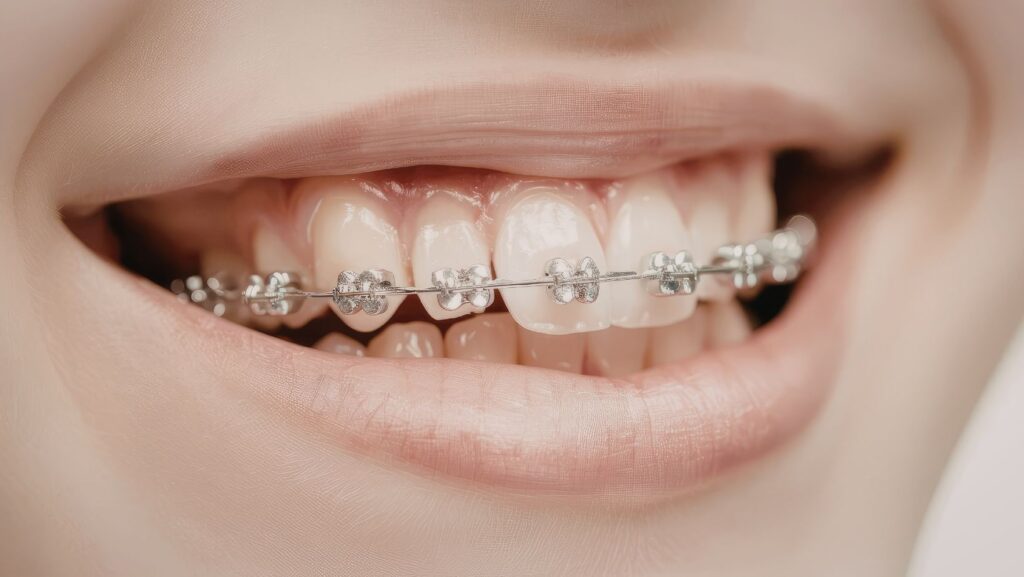
There’s a reason two people can wear braces for the same number of months and walk away with very different experiences—and, sometimes, different levels of satisfaction. Teeth don’t move in a standard way. Bite relationships vary. So do gum health, bone density, jaw growth patterns, and the day-to-day habits that quietly influence outcomes (mouth breathing, clenching, even how consistently someone wears elastics).
Yet for years, orthodontics was often presented as a fairly linear process: put appliances on, tighten periodically, remove, retain. Modern orthodontics is more nuanced than that. The best results tend to come from treatment that’s planned around the individual, not around a generic “average case.”
If you’re curious what a tailored approach can look like in practice—different appliance options, how plans are structured, and what to expect—resources like bostonorthodontics.co.uk offer a helpful snapshot of how contemporary orthodontic care is increasingly built around choice, diagnostics, and personal goals rather than a one-track pathway.
The problem with “standard” orthodontic plans
A one-size-fits-all plan can still straighten teeth, but it often creates trade-offs that show up in three places: efficiency, comfort, and stability.
Efficiency: If the plan doesn’t account for how your teeth are likely to respond—or ignores constraints like limited space, missing teeth, or gum recession—treatment can become a sequence of course-corrections. That’s when you see added appointments, mid-treatment changes of appliances, or delays because the bite isn’t settling as predicted.
Comfort and lifestyle: An approach that’s “standard” on paper may be misaligned with real life. A musician playing a wind instrument, a contact-sport athlete, or a professional who speaks on camera all have different tolerances for bulk, visibility, and irritation.
Stability: Relapse is where shortcuts get exposed. If the end result doesn’t respect the patient’s bite forces, tongue posture, or periodontal limits, the teeth may look great on removal day—but drift over time even with retainers.
Tailoring isn’t about being fancy; it’s about reducing friction and increasing predictability.
What “tailored” really means in orthodontics
Personalised treatment isn’t a single product or technique. It’s a planning philosophy: gather better inputs, make smarter choices, and adjust in response to biology and behaviour.
Better diagnosis: beyond “crooked teeth”
The shift starts with diagnostics. Many practices now use a combination of digital scans, photos, and radiographs to build a more complete picture. The point isn’t technology for its own sake—it’s clarity.
A tailored plan considers things like:
- Tooth-size discrepancies (why the front teeth don’t “fit” even when straight)
- Bite relationships in all three dimensions (not just overbite/underbite)
- Gum and bone support (critical for adults with recession or inflammation)
- Jaw growth patterns (especially for teens where timing matters)
This is also where risk is identified early. For example, expanding the smile can be a great aesthetic move, but not if it pushes teeth outside the bone. Tailoring is often about choosing the safest version of an attractive outcome.
Clear goals: function first, aesthetics included
Most people begin with aesthetic goals—straight teeth, fewer gaps, a more even smile line. A tailored plan doesn’t dismiss that; it refines it with functional targets.
Function matters because it’s the foundation for comfort and longevity. When bite forces distribute evenly, teeth are less likely to shift, chip, or wear. For patients with a history of clenching, jaw discomfort, or uneven wear, personalisation might mean prioritising bite coordination even if it slightly changes the “fastest” route to straightness.
Matching tools to the person, not the other way around
Braces, clear aligners, hybrid approaches, temporary anchorage devices (TADs), elastics—these are tools. Tailoring is selecting the right tool for the job and the right job for the patient.
Clear aligners can be ideal for predictable movements and for patients who value flexibility, but they rely heavily on wear compliance. Fixed braces can be more efficient for certain rotations or vertical changes, but visibility and irritation may be a factor. A tailored plan may even combine both: braces to do the heavy lifting, aligners for finishing and refinement.
How personalisation improves results (in practical terms)
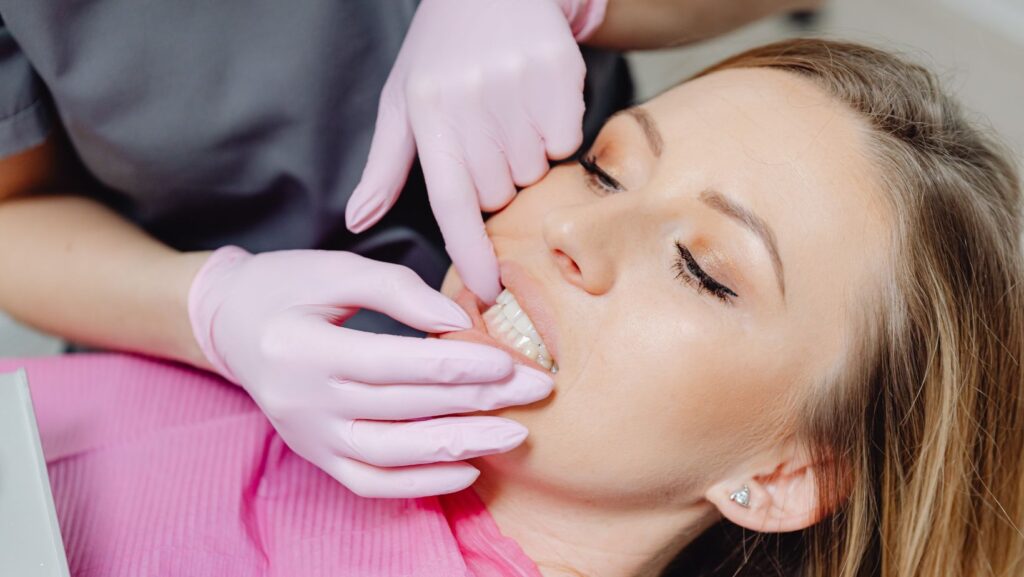
Tailored orthodontics isn’t just theory. It shows up in the everyday markers of a smoother case.
Fewer surprises during treatment
When constraints are identified early—limited bone, an awkward tooth shape, a tongue habit—your orthodontist can plan around them. That might mean reshaping edges slightly (IPR), coordinating with a dentist for restorations, or timing movements to protect the gums.
The result is often fewer mid-course “we need to change direction” moments.
Better finishing—where great cases become excellent
Many treatments look good halfway through. The difference between “straight” and “exceptional” is finishing: bite contacts, midline alignment, how the front teeth frame the lips, and whether the smile line looks natural rather than forced.
Tailored plans typically allow more precise finishing because the end goals are defined early and checked repeatedly, not guessed at near the end.
Retention that fits your risk profile
Retention is not an afterthought; it’s part of the design. Someone with spacing and a strong tongue thrust may need a different retention strategy from someone whose main issue was crowding. A tailored retention plan might involve fixed retainers, removable retainers, or both, plus a schedule that reflects how stable (or unstable) the original problem tends to be.
Questions to ask to ensure your plan is truly tailored
Before you commit, it’s reasonable to probe how personalised your plan will be. Here are a few questions that cut through the marketing and get to substance:
- What are the top two risks in my case (gum health, relapse, root resorption), and how will you manage them?
- Which movements are you expecting to be most challenging, and what’s the back-up plan if they don’t track?
- How are you planning the bite, not just the alignment of the front teeth?
- What retention do you recommend for my specific relapse risks, and for how long?
Good clinicians welcome these questions; they indicate you’re engaged, not difficult.
The takeaway: the “best smile” is the one designed for you
Tailored orthodontics doesn’t mean indulgent or overcomplicated. It means realistic planning—based on your biology, your goals, and your life. When the plan fits the person, treatment tends to feel more predictable, results look more natural, and the outcome holds up better over time.
If you’re exploring options, look for an orthodontist who explains the “why” behind the plan, not just the appliance they prefer. That mindset—customise first, treat second—is what consistently delivers the best smile results.