
Clear aligner therapy has become a widely chosen method for addressing mild to moderate orthodontic concerns, especially among adults who prefer a discreet and removable treatment option. If you are beginning treatment with custom-fit Invisalign in Freeman Orthodontics, it is important to understand that maintaining oral hygiene requires more structure and consistency than usual. Because aligners fit closely over the teeth, good hygiene practices are essential for preventing unwanted complications such as staining, plaque buildup, or irritation. The following five methods outline practical steps for preserving oral health while using clear aligners in Fort Lauderdale.
1. Brush and Floss Thoroughly Before Reinserting Your Aligners
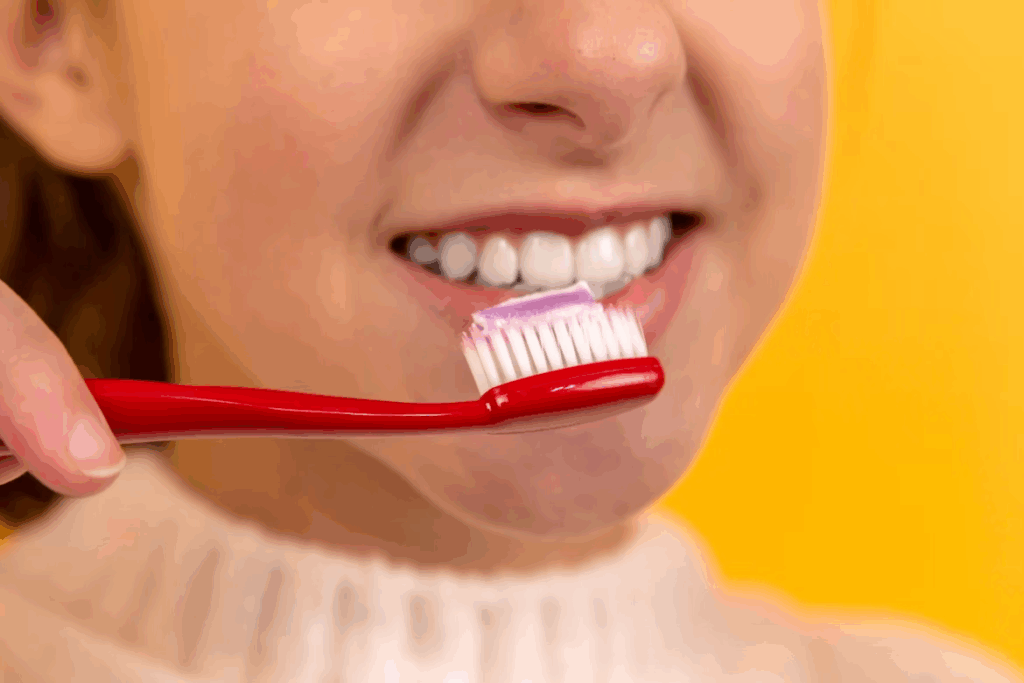
One of the most important steps in maintaining oral hygiene during aligner therapy is brushing and flossing before putting your trays back in. Since orthodontic trays fit tightly over the teeth, any food particles left behind can become trapped. This can lead to plaque buildup, gum inflammation, or even cavities over time.
To reduce these risks, make it a routine to brush your teeth after every meal and snack. If brushing is not immediately possible—for example, during work or travel—rinsing your mouth thoroughly with water can serve as a temporary step until you are able to brush properly. Flossing at least once a day also helps prevent debris from accumulating between the teeth, where aligners may press food particles more tightly against the gums.
2. Clean Your Aligners Using Appropriate, Non-Abrasive Methods
Proper tray cleaning is vital for maintaining both oral hygiene and the longevity of your custom aligners. Aligners should be cleaned at least twice daily using lukewarm water and a soft toothbrush. Gentle soap or an orthodontist-approved cleaning solution can be used, but harsh cleaners—such as toothpaste, mouthwash with alcohol, or abrasive powders—should be avoided because they may scratch or cloud the plastic.
In addition to routine cleaning, soaking your aligners in a specialized aligner-cleaning solution once or twice per week can help reduce bacterial buildup. Avoid hot water at all times, as it can alter the shape of the trays and affect how they fit. Keeping both the aligners and your mouth clean ensures that your treatment remains sanitary and predictable throughout the process.
3. Limit Snacking and Beverages Between Meals
Because aligners must be removed every time you eat or drink anything other than water, maintaining oral hygiene becomes easier when snacking is reduced. Removing your aligners multiple times per day not only disrupts wear time but also requires more frequent brushing, which may be impractical when you are away from home.
In addition to food, beverages such as tea, coffee, fruit juices, and soft drinks can stain the aligners or create an environment that supports bacterial growth. Drinking water while wearing your aligners is fine, but all other beverages should be consumed only when your aligners are removed. This simple adjustment helps prevent discoloration and reduces the risk of sugar or acids getting trapped beneath the trays.
4. Practice Consistent Hydration to Reduce Dry Mouth
Many aligner users experience mild dryness in the mouth, especially during the first few weeks of treatment. Dry mouth can contribute to plaque accumulation and an increased risk of bad breath. Drinking plenty of water throughout the day helps maintain a healthy level of moisture and supports saliva production, which plays a natural role in neutralizing bacteria.
Staying hydrated is especially important in warm climates like Fort Lauderdale, where outdoor activities and higher temperatures can lead to increased dryness. Water also helps rinse away lingering particles that could compromise oral cleanliness. Reaching for water frequently throughout the day is a simple yet effective way to support oral hygiene while wearing custom aligners.
5. Attend Regular Check-Ups With Your Orthodontic Provider
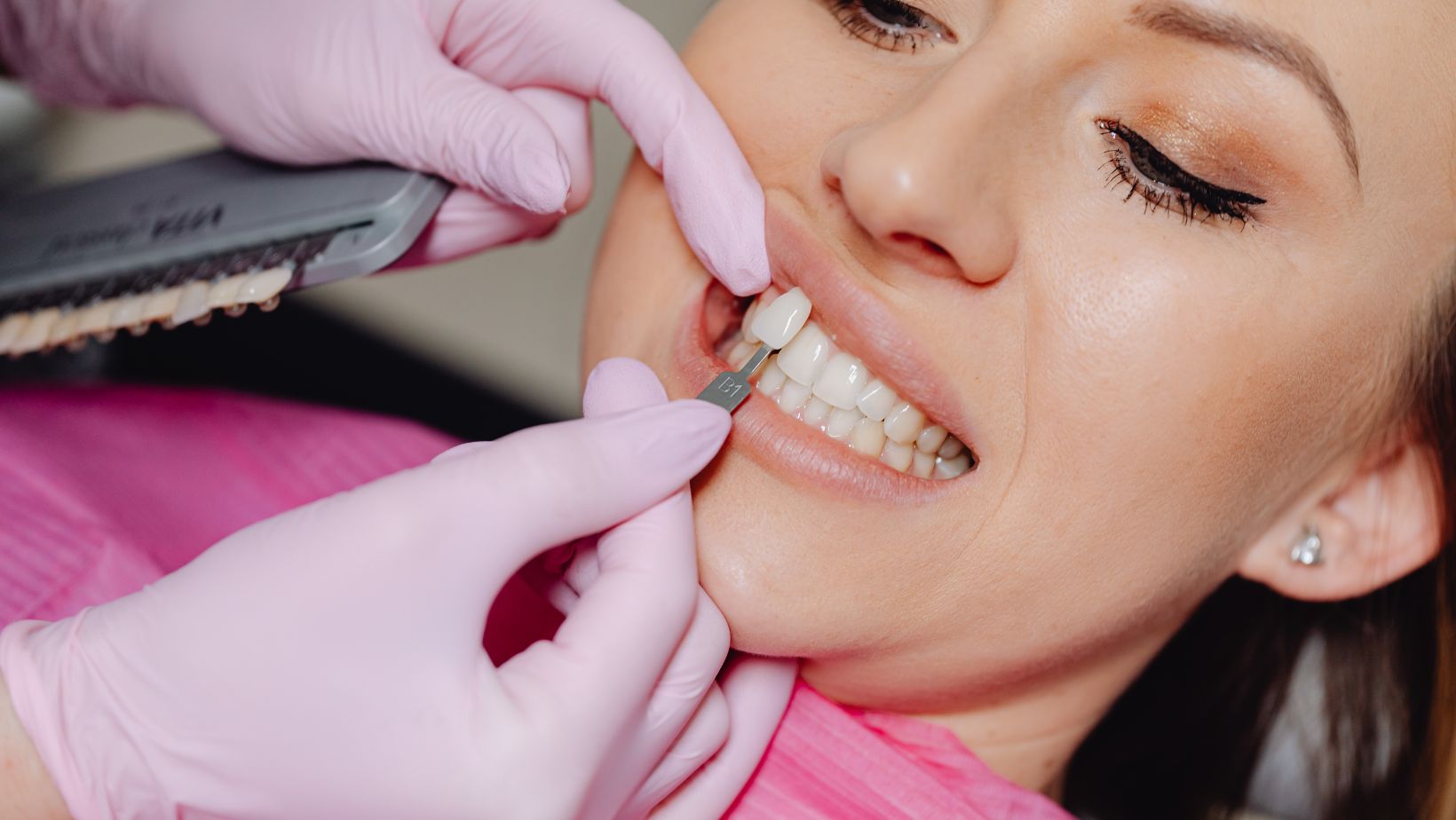
Even though clear aligner treatment generally requires fewer in-office visits than traditional braces, regular check-ups remain essential. These appointments allow your orthodontist to monitor your progress, ensure proper tray fit, and identify any hygiene concerns early on. Your provider may also offer guidance on cleaning techniques or recommend specific tools that can support better oral care.
Scheduled appointments will help ensure that your custom aligners are functioning as intended. Consistent observation helps prevent potential complications such as irritation, improper tracking, or buildup on the trays. Maintaining these check-ins supports both your treatment outcome and your overall dental health.
Conclusion
Maintaining oral hygiene while using custom aligners requires daily attention and strong habits. Brushing and flossing before reinserting your trays reduces the risk of plaque and decay, while cleaning the aligners themselves ensures a hygienic treatment environment. Adjusting food and beverage routines minimizes staining and bacterial buildup, and staying hydrated supports a healthy oral environment. Regular consultations with your orthodontist help monitor progress and address concerns promptly. By following these five essential steps, patients using clear aligners in Fort Lauderdale can support both their dental health and the overall success of their treatment.