
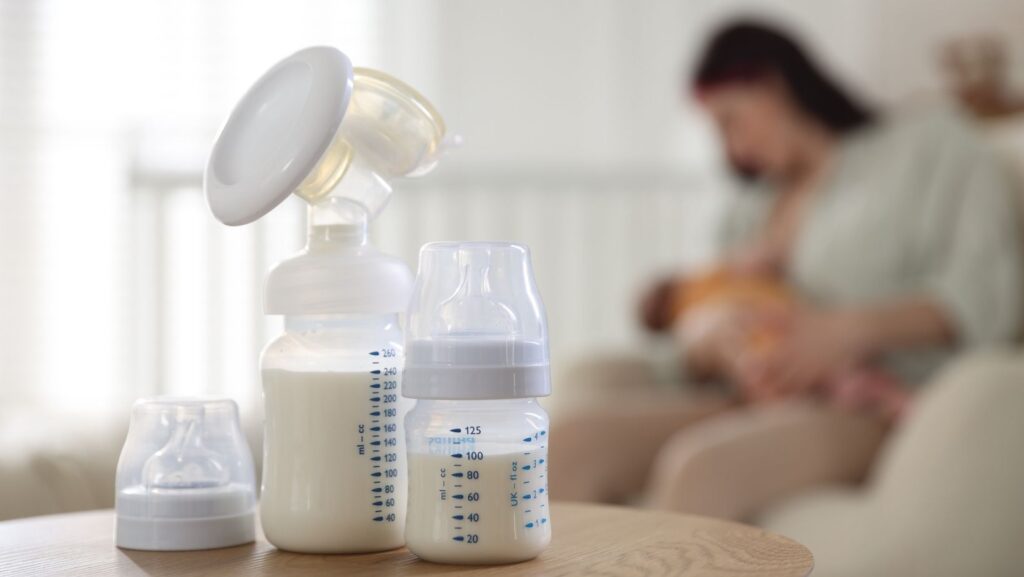
Summary: Breast milk storage guidelines are one of the most searched and most misunderstood topics in early parenting. The rules differ depending on whether milk has been freshly expressed, refrigerated, frozen, or warmed, and getting them wrong can mean wasting liquid gold or, worse, feeding milk that has turned. This article covers the complete picture of breast milk safety timelines, what affects them, and what options exist for parents who want to extend their milk’s shelf life well beyond the standard freezer window.
Every breastfeeding parent has been there: a bottle of warmed breast milk sitting on the counter, a baby who fell asleep mid-feed, and a nagging question about whether that milk is still safe to use. The answer depends on more variables than most people realize, and the stakes are high enough that guessing is not a great strategy. Understanding how long is warmed breast milk good for is just one piece of a broader set of storage guidelines that every pumping parent needs to have down cold. This guide covers the full picture, from the moment milk leaves your body to every stage of storage and reheating.
The Four Storage Situations and Their Timelines
Breast milk safety timelines are not one-size-fits-all. The clock resets and the rules change at each stage of the milk’s journey from pump to baby.
Freshly Expressed Milk at Room Temperature
Freshly pumped breast milk can sit at room temperature, defined as up to 77 degrees Fahrenheit, for up to four hours under clean conditions. Some guidelines extend this to six hours, but four hours is the more conservative and more widely recommended window. The key word here is clean. Milk that has been pumped with thoroughly washed equipment, into a sterile container, in a clean environment will hold longer than milk expressed under less controlled conditions.
If you know the milk will be used within four hours, room temperature storage is fine. If there is any doubt about timing, refrigerate immediately. The cost of refrigerating milk you end up using within the hour is zero. The cost of leaving milk out too long is a wasted feed.
Refrigerated Breast Milk
Freshly expressed milk stored in the back of a refrigerator, where the temperature is most stable, remains safe for up to four days. The CDC’s guidance puts the ideal window at four days, though some sources cite up to eight days under very clean conditions and optimal refrigerator temperatures. The conservative standard most lactation consultants recommend is four days, and that is the number to plan around.
A few practical points on refrigerator storage: the door is the warmest part of the refrigerator and the most temperature-variable. Store milk in the back, not the door. Use clean, food-grade storage bags or hard-sided containers designed for breast milk. Label every container with the date and time of expression so you are never guessing.
Previously frozen milk that has been thawed in the refrigerator follows a shorter timeline. Thawed milk should be used within 24 hours of thawing and should never be refrozen. This is one of the most commonly misunderstood rules in breast milk storage, and it is worth internalizing before you are making a decision at 3am with a crying baby.
Frozen Breast Milk
A standard home freezer that maintains 0 degrees Fahrenheit allows you to store breast milk for up to 12 months, though the CDC recommends using it within six months for best quality. A deep freezer set below 0 degrees may extend this further, but the standard guidance is built around the typical home freezer environment.
Freezer placement matters here too. Milk stored toward the back of a chest freezer, away from the door seal and the temperature fluctuations that come with frequent opening, will maintain quality longer than milk stored in the door or at the front.
One important caveat: the 12-month window assumes the milk has never been thawed and refrozen. Once frozen milk is thawed, it does not go back in the freezer. The thaw-refreeze cycle damages fat globules in the milk and creates conditions favorable for bacterial growth.
Warmed Breast Milk
This is where the guidelines get tighter and where parents most often have questions. Once breast milk has been warmed, the clock runs fast. The generally accepted guidance is two hours from the time the milk was warmed, regardless of whether the baby has started feeding from the bottle.
Once a baby has fed from a bottle, the timeline tightens further. Saliva introduced into the bottle from the baby’s mouth begins a process of bacterial contamination that cannot be reversed. Milk that a baby has partially fed from should be used within one to two hours and then discarded. There is no safe way to save partially consumed breast milk for a later feed.
This two-hour window is one of the most important numbers in breast milk safety and one that parents most frequently wish they could extend. It cannot be extended through refrigeration once the milk has been warmed. Warmed milk that has not been fed from can technically be refrigerated again and used within the broader refrigerator window, but only if it was warmed gently and has not been at room temperature for an extended period. The safest practice is to warm only what you expect the baby to consume in a single feed.
What Affects Milk Safety Beyond Time
Time is the primary variable in breast milk safety, but it is not the only one. Several other factors affect how quickly milk deteriorates and how safely it can be stored.
Temperature consistency matters more than most people realize. Milk stored in a refrigerator or freezer that experiences frequent temperature swings, because the door is opened often or the appliance runs warm, will not hold as long as milk stored at a stable, correct temperature. If you have any doubt about your refrigerator or freezer temperature, an inexpensive appliance thermometer is worth the investment.
Hygiene at the point of expression is foundational. Thoroughly washed hands and clean pump parts before every session meaningfully reduce the bacterial load introduced into stored milk. Pump parts that are cleaned but not fully dried before assembly can introduce moisture that accelerates bacterial growth.
Storage container choice matters too. Single-use breast milk storage bags designed for freezing maintain integrity better than repurposed containers. Hard-sided containers with tight lids are appropriate for refrigerator storage. Glass containers are safe but can crack when frozen. Whatever you use, make sure it is food-grade and clean.
High Lipase Milk and Storage Challenges
Some parents produce milk with elevated lipase activity. Lipase is an enzyme naturally present in breast milk that helps babies digest fat, but in higher concentrations it continues breaking down fat even during storage, producing a soapy or metallic taste that some babies reject.
High lipase milk is nutritionally safe but can become unpalatable after freezer storage, sometimes even within a few hours of refrigeration. Parents dealing with high lipase milk sometimes scald the milk immediately after expression to deactivate the enzyme, which stops the taste change from occurring during storage. Scalded milk follows slightly shorter storage timelines than fresh milk because the heating process alters some of the milk’s properties.
This is one of the situations where freeze-drying, as offered by Milkify, has shown particular benefits. More than 90 percent of Milkify’s clients with high lipase milk report that freeze-drying improved the taste of their milk, because the freeze-drying process inactivates the lipase enzyme. For parents who have a freezer stash their baby is rejecting, this can be the difference between saving that milk and discarding it.
Extending Shelf Life Beyond the Freezer Window
The standard freezer window of six to twelve months is meaningful for most families, but it does not cover every situation. Parents who build a significant stash during peak supply, who need to wean earlier than expected, who are traveling with milk, or who simply want flexibility beyond what a freezer can provide have historically had limited options.
Freeze-drying changes that calculation significantly. Milkify, the only FDA-registered and GMP-certified breast milk freeze-drying service in the US, converts frozen breast milk into a shelf-stable powder with a three-year shelf life at room temperature. The process removes water from the milk while retaining its macronutrients, bioactives, and human milk oligosaccharides. When reconstituted with the correct amount of water, the rehydrated milk has the same nutritional composition as the original.
This is not a preservation shortcut. Milkify’s process uses patented pouches that keep each customer’s milk individually contained throughout freeze-drying, meaning milk is never pooled with other customers’ milk or exposed to equipment surfaces. Each pouch is labeled with the customer’s name and expression date throughout the entire process.
For parents who have accumulated more freezer milk than their current freezer timeline can support, or who want to convert their stash into a form that travels easily, does not require freezer space, and lasts three years rather than twelve months, freeze-drying represents a meaningful upgrade over standard frozen storage.
A Reference Summary of Key Timelines
To make these guidelines easy to apply in the moment, here is a quick reference covering each storage scenario.
Freshly pumped milk at room temperature stays safe for up to four hours. Freshly pumped milk in the refrigerator stays safe for up to four days. Freshly pumped milk in the freezer stays safe for six to twelve months, with six months being the quality-optimal window. Previously frozen milk that has been thawed in the refrigerator must be used within 24 hours and cannot be refrozen. Warmed milk that has not been fed from should be used within two hours. Warmed milk that a baby has fed from should be used within one to two hours and then discarded.
These timelines assume clean expression, appropriate storage containers, and consistent temperatures. When in doubt about any variable in that chain, err toward the shorter end of the window and toward discarding rather than feeding milk whose safety you are uncertain about.
Breast milk is nutritionally irreplaceable and takes real effort to produce. Managing it carefully, following the storage guidelines consistently, and understanding what your options are at each stage of the storage journey is one of the most practical ways to protect both the work that went into making it and the baby who will benefit from it.