
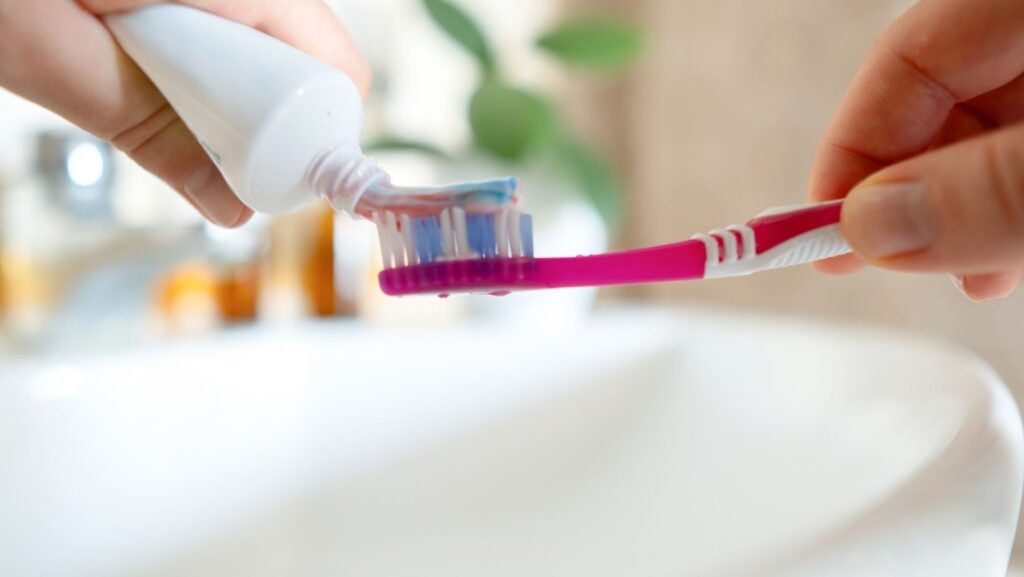
Summary: This article explores the growing intersection of clean beauty and oral care, examining why conscious consumers are rethinking their toothpaste choices. It covers the problems with conventional toothpaste formulas and packaging, what ingredients are worth seeking out, how toothpaste tablets work, and which brands are genuinely delivering on both sustainability and performance.
The clean beauty movement spent years transforming the way people think about skincare, haircare, and cosmetics. Ingredient labels got scrutinized. Plastic packaging got questioned. Harmful chemicals got called out. And slowly, one product category at a time, consumers started demanding better. Oral care was, for a long time, one of the last holdouts, a category still dominated by the same fluoride-loaded, plastic-tubed formulas that have sat on drugstore shelves for decades. That is changing fast. A new generation of eco-friendly toothpaste tablets and clean oral care brands are bringing the same transparency, ingredient integrity, and sustainability-first thinking that reshaped beauty to the one product most people use twice a day without a second thought.
Why Conventional Toothpaste Deserves a Second Look
The Plastic Problem Nobody Talks About
Pick up almost any conventional toothpaste tube and you are holding a product that is almost impossible to recycle. The laminated multilayer construction that keeps the paste fresh also makes the packaging essentially unprocessable by standard recycling facilities. Billions of these tubes end up in landfills every year, and most people never think twice about it because toothpaste has always come in a tube.
The packaging issue is just the beginning. Conventional toothpaste formulas frequently contain a range of ingredients that the clean beauty community would never accept in a moisturizer but that somehow passed unexamined in the oral care aisle for generations. These include:
- Sodium lauryl sulfate (SLS): A foaming agent linked to mouth ulcers and irritation in sensitive individuals
- Artificial colors and dyes: Added purely for aesthetics with no oral health benefit
- Triclosan: An antibacterial agent that has been phased out in many markets but still appears in some formulas
- Microplastics: Tiny plastic particles used as exfoliants or texture agents that rinse directly into waterways
- Artificial sweeteners: Including saccharin, added to make the product more palatable
None of these ingredients are making your teeth cleaner. They are making your toothpaste cheaper to produce, longer to shelf-stabilize, and more visually appealing in a way that has nothing to do with oral health. The clean beauty lens, when applied honestly to oral care, reveals a category well overdue for disruption.
What the Clean Oral Care Movement Is Actually Built On
Fewer Ingredients. Better Ingredients. Smarter Delivery.
The brands driving the clean oral care shift share a core philosophy: remove everything that does not serve a genuine function and do more with less. This means shorter ingredient lists, better sourced actives, and packaging designed from the ground up with end-of-life in mind.
The most important shift is happening at the active ingredient level. The dominant active in conventional toothpaste has been fluoride, which works by remineralizing enamel and making teeth more resistant to acid erosion. It is effective. It is also synthetic, and for a growing segment of health-conscious consumers, it sits uncomfortably alongside the clean ingredient ethos they apply everywhere else.
The clean oral care movement has largely coalesced around a different active: nano hydroxyapatite.
Nano Hydroxyapatite: The Clean Alternative Worth Understanding
The Mineral Your Teeth Are Already Made Of
Nano hydroxyapatite, often abbreviated as nHA or n-Ha, is not a new synthetic compound invented in a lab. It is the same mineral that forms the majority of tooth enamel and dentin. In other words, it is biomimetic, it works by replenishing teeth with a material they are already made from.
The science behind nHA is well established. Research has demonstrated that it is effective at remineralization, the process of rebuilding enamel that has been weakened by acid, bacteria, and daily wear. It fills in microscopic surface imperfections, reduces sensitivity, and supports a naturally whiter appearance without the abrasive whitening agents found in many conventional products.
For clean beauty consumers, nHA ticks every relevant box. It is naturally derived, biocompatible, and has been shown to be safe in oral care applications without the concerns some consumers have around fluoride. It also provides something clean beauty has always demanded but rarely found in oral care: an ingredient that genuinely does the job while meeting the highest standards for safety and transparency.
The Rise of Toothpaste Tablets
Why the Format Change Matters as Much as the Formula
Reformulating the active ingredient is only part of the clean oral care story. The other half is rethinking the format entirely, and toothpaste tablets represent the most significant structural innovation the category has seen in decades.
The concept is simple. Instead of a paste suspended in water and packaged in a laminated tube, toothpaste tablets are solid, pre-dosed, chewable wafers. You chew one, let it dissolve into a foamy paste, and brush as normal. The result is a complete brushing experience with several meaningful advantages over the traditional format.
Why the tablet format is genuinely better:
- No plastic tube waste. Tablets typically come in glass jars, aluminum tins, or compostable packaging that is actually recyclable or biodegradable.
- Concentrated formula. Removing water from the formula means fewer preservatives are needed to prevent bacterial growth, resulting in a cleaner ingredient list.
- Pre-dosed convenience. No squeezing, no excess, no waste. Every tablet is exactly what you need for one brushing.
- Travel friendly. Tablets are not classified as a liquid, so they pass through airport security without a second thought. A month’s supply fits in a small jar.
- Longer shelf life. Dry formulas are inherently more stable than water-based pastes.
The tablet format is not a gimmick. It is a thoughtfully engineered solution to problems that have existed in oral care packaging and formulation for decades.
Eco-Friendly Oral Care Brands Worth Trying
A Curated Look at Who Is Leading the Charge
The market for clean, sustainable oral care has grown considerably over the past few years. Not every brand that uses the language of sustainability is genuinely delivering on it. Here are the brands doing the work most credibly.
NOBS Toothpaste Tablets
NOBS is one of the most formulation-forward brands in the clean oral care space. The brand was built around a specific mission: introduce nano hydroxyapatite to everyday consumers in a format that eliminates unnecessary ingredients and plastic waste entirely.
The NOBS formula uses 5% nano hydroxyapatite as its primary active, supported by a carefully selected roster of functional ingredients. Xylitol targets harmful oral bacteria while preserving beneficial microflora. Zinc citrate promotes healthy gums and prevents plaque buildup. Calcium carbonate fights surface staining. Sodium bicarbonate polishes without excessive abrasion. Every ingredient in the formula is there because it contributes something specific to oral health, not because it improves aesthetics, reduces production cost, or extends a marketing claim.
NOBS tablets come in several flavors including Blueberry Bliss, Citrus Crush, Cinnamon Craze, Vanilla Velour, and Gracefully Grape, giving consumers real variety beyond the mint monoculture that defines conventional oral care. The brand also offers a kids formula, NOBS Jr., for households making the switch as a family.
The co-founder is a dentist, which gives the brand a formulation credibility that many clean oral care startups lack. This is not a beauty brand that decided toothpaste sounded sustainable. It is a dental professional applying clean beauty principles to a category they understand from the inside.
What to Look for in Any Clean Oral Care Brand
Not every brand claiming to be eco-friendly delivers on it. When evaluating any product in this category, the following checklist is worth running through:
| Criteria | What to Look For |
|---|---|
| Active ingredient | Nano hydroxyapatite or well-researched fluoride alternative |
| Preservative approach | Waterless formula reduces preservation needs |
| Packaging | Recyclable glass, aluminum, or compostable materials |
| Foaming agents | Avoid SLS; look for sodium cocoyl isethionate or similar gentle alternatives |
| Sweeteners | Xylitol is functionally beneficial; avoid artificial sweeteners |
| Ingredient transparency | Full ingredient list published and explained |
| Certifications | Dentist developed or endorsed is a meaningful quality signal |
Clean Beauty Principles Applied to Oral Care
The Mindset Shift That Changes Everything
The clean beauty movement did not succeed by telling people their existing products were terrible. It succeeded by making better alternatives visible, accessible, and genuinely desirable. The same dynamic is playing out in oral care right now.
For consumers already applying a clean lens to their skincare serums, body lotions, and hair products, extending that same scrutiny to toothpaste is a natural next step. The questions are the same: what is in this? Does it need to be there? What is the packaging doing to the planet? Is there something better?
In clean beauty, the answer to that last question eventually became yes across almost every category. Oral care is reaching that same inflection point. The products exist. The science is solid. The packaging problem has been solved. The only thing left is awareness, and that is exactly what is changing.
Making the Switch: What to Expect
A Practical Guide for First-Time Tablet Users
If you have used conventional toothpaste your entire life, switching to tablets involves a brief adjustment period that is worth being prepared for.
The texture is different. Tablets start dry and become foamy as you chew and introduce moisture. The foam is lighter than conventional paste but equally effective at distributing active ingredients across tooth surfaces.
The flavor profile is often more subtle. Many clean oral care brands use natural flavoring rather than the intense synthetic mint that conventional toothpaste relies on. This takes getting used to but most users come to prefer the more nuanced approach.
You might notice less foam. Conventional toothpaste is engineered to produce dramatic lather because consumers associate foam with cleanliness. That association is largely psychological. Cleaning efficacy is not determined by foam volume. Less foam does not mean less clean.
Teeth may feel different initially. Some users switching from conventional to nHA-based formulas report a different sensation in the first week or two as the enamel remineralization process takes effect. This typically resolves quickly and is considered a positive sign of the formula working.
Final Thoughts
The clean beauty movement proved something important: consumers are willing to change what they buy when they understand what is at stake and when better options are genuinely available. Oral care is not exempt from that equation. The ingredients in your toothpaste, the plastic tube it comes in, and the chemicals rinsing into the water supply twice a day are all worth thinking about
The good news is that thinking about it no longer requires any compromise on performance. The brands leading the clean oral care shift are making products that clean effectively, remineralize meaningfully, and come in packaging that does not outlive anyone’s grandchildren. Making the switch has never been easier, or more worthwhile.