
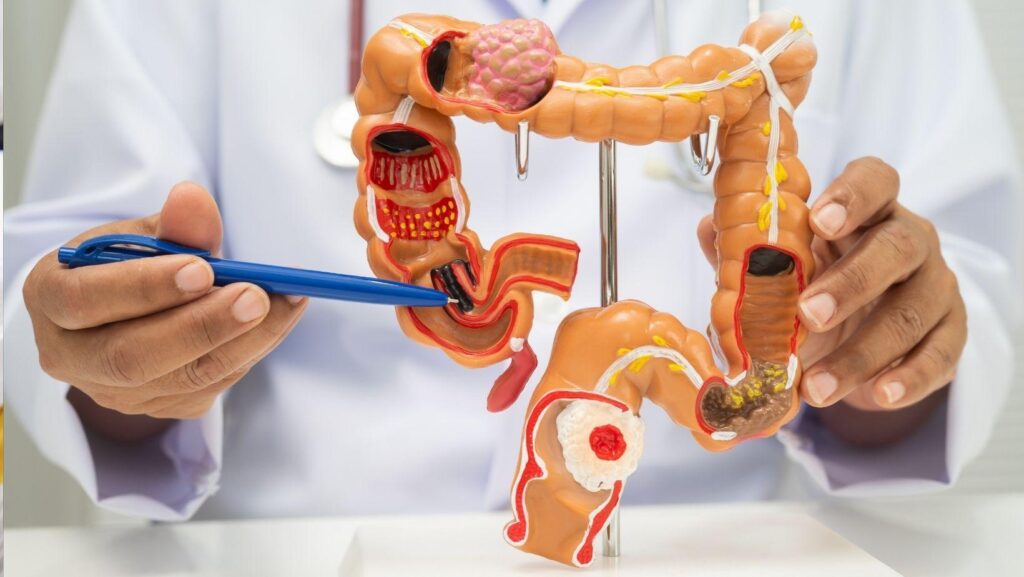
The colon, also known as the large intestine, plays a vital role in digestion and overall health. After food passes through the stomach and small intestine, the colon is responsible for absorbing water and salts while turning waste into stool. It is also home to trillions of bacteria that help break down remaining nutrients and support the immune system.
When the colon is functioning well, digestion feels smooth and predictable. When it is not, symptoms such as bloating, constipation, or irregular bowel movements can quickly affect daily life. The good news is that simple, consistent habits can make a meaningful difference.
The Importance of a Balanced Diet
One of the most effective ways to support colon health is through diet. A balanced intake of whole foods provides the nutrients and fiber the colon needs to function properly.
Fiber is especially important. It adds bulk to stool and helps it move through the digestive tract more easily. There are two types of fiber: soluble and insoluble. Soluble fiber, found in foods like oats and apples, helps soften stool. Insoluble fiber, found in whole grains and vegetables, helps speed up movement through the colon.
Eating a variety of fruits, vegetables, legumes, and whole grains ensures that both types of fiber are included. At the same time, reducing processed foods and excessive sugar can help maintain a healthy balance of gut bacteria.
Staying Hydrated
Water works hand in hand with fiber. Without enough fluid, fiber cannot do its job effectively, and this can lead to constipation. Drinking enough water throughout the day helps keep stool soft and easier to pass.
A simple approach is to drink water regularly rather than waiting until you feel thirsty. Herbal teas and water-rich foods like cucumbers and oranges can also contribute to hydration.
The Role of Gut Bacteria
The colon is home to a complex community of microorganisms known as the gut microbiome. These bacteria play a key role in digestion, immune function, and even mood regulation.
Supporting a healthy microbiome involves including probiotic and prebiotic foods in your diet. Probiotics, found in yogurt and fermented foods, introduce beneficial bacteria. Prebiotics, found in foods like garlic, onions, and bananas, feed those bacteria.
Maintaining this balance helps reduce inflammation and supports overall colon function.
Regular Movement Matters
Physical activity is another important factor in colon health. Movement helps stimulate the muscles in the digestive tract, encouraging regular bowel movements.
Even moderate activity such as walking can make a difference. Establishing a routine that includes daily movement can support digestion and reduce the likelihood of constipation.
Listening to Your Body
Ignoring the urge to have a bowel movement can disrupt natural patterns and lead to discomfort. The body has its own rhythm, and responding to it helps maintain regularity.
Creating a relaxed environment and allowing enough time for this process can also help. Stress and rushing can interfere with normal digestive function.
Preventive Care and Awareness
Regular check-ups and screenings are an important part of maintaining colon health, especially as people age. Early detection of potential issues can make a significant difference in outcomes.
Paying attention to changes such as persistent discomfort, changes in bowel habits, or unexplained weight loss is also important. These signs should not be ignored and may require medical advice.
Building Sustainable Habits
Colon health is not about quick fixes. It is about small, consistent choices that support the body over time. A balanced diet, proper hydration, regular movement, and awareness of your body all work together to keep the colon functioning well.
By focusing on these everyday habits, it is possible to support not only digestive health but overall well-being.