

Ayşe is a 42-year-old teacher in Ankara. She felt tired most days and thought it was work. A routine screening surprised her. Labs showed borderline diabetes and a thyroid issue. Both were caught early. Both are manageable. “I did not notice any symptoms,” she said. “Without that checkup, I might have left it for years!”
Stories like this are common. Many conditions move quietly. A complete checkup finds them early. In Turkey, hospitals use modern imaging, broad lab panels, and quick consults in one visit. It works for locals and for visitors. Preventive care is faster now. It is also more organized.
What a Full Body Checkup in Turkey Includes
A full body checkup looks at many systems. Blood and urine are first. You get tests for liver and kidney function, cholesterol and blood sugar, thyroid hormones, a complete blood count. Sometimes vitamin levels too. Imaging comes next or earlier. Abdominal ultrasound is common. Chest X-ray is used when needed. MRI or CT only if your case calls for it. Heart checks are typical. ECG, echocardiography, and a treadmill test when risk makes sense.
Packages are not the same for everyone. Age, personal history, family risk, and lifestyle change the plan. A healthy person around 30 may get basic labs and a heart review. Someone in their mid 50s with high cholesterol may need more imaging and more screening. The idea is simple. Find problems early. Keep health steady.
Planning a full body checkup in Turkey with same-day guidance and advanced tools? Liv Hospital is a solid pick.
Why Preventive Screening Matters
High blood pressure, diabetes, and thyroid problems can be quiet. They do not always cause pain. Early findings lower the chance of heart disease, stroke, kidney issues, and some cancers. When found at baseline, treatment is simpler. Medication, food choices, daily movement. If you wait, treatment gets harder.
Busy people like the executive checkup. It puts many tests in one visit. You get a clear report. You get next steps. Often the same day. It saves time. It reduces worry. You leave knowing what to do next.
Get peace of mind with a full body checkup in Turkey guided by accredited experts and modern imaging.
Who Should Consider a Full Body Checkup and When
Age helps set the plan. In your 20s and 30s, check baseline numbers. Cholesterol. Blood pressure. Metabolic markers. In your 40s, 50s, and later, expand the list. Watch heart risk, hormones, and cancer screening. Most adults aim for about once a year. Higher risk may need every six months.
Risk factors change timing. Family history of heart disease or cancer. Smoking. Extra weight. High stress. High cholesterol. Prior chronic illness. New symptoms like fatigue or weight change. If something feels off, do not wait for the calendar.
Book your full body checkup in Turkey to catch issues early and get a personalized report.
What’s Included at Liv Hospital
Liv Hospital brings several tests together. Labs include lipid profile, fasting glucose and HbA1c, liver and kidney function, thyroid tests like TSH and free T3 and free T4, complete blood count, and vitamins like D and B12. Tumor markers are added by age and risk. That covers prostate, breast, ovarian, or colorectal when appropriate.
Imaging often starts with abdominal ultrasound to look at the liver, gallbladder, kidneys, and spleen. Chest X-ray is used when it makes sense. MRI or CT is added only if your symptoms or history suggest it. Women’s screening can include mammography and pelvic ultrasound. Men’s screening can include PSA and a prostate ultrasound.
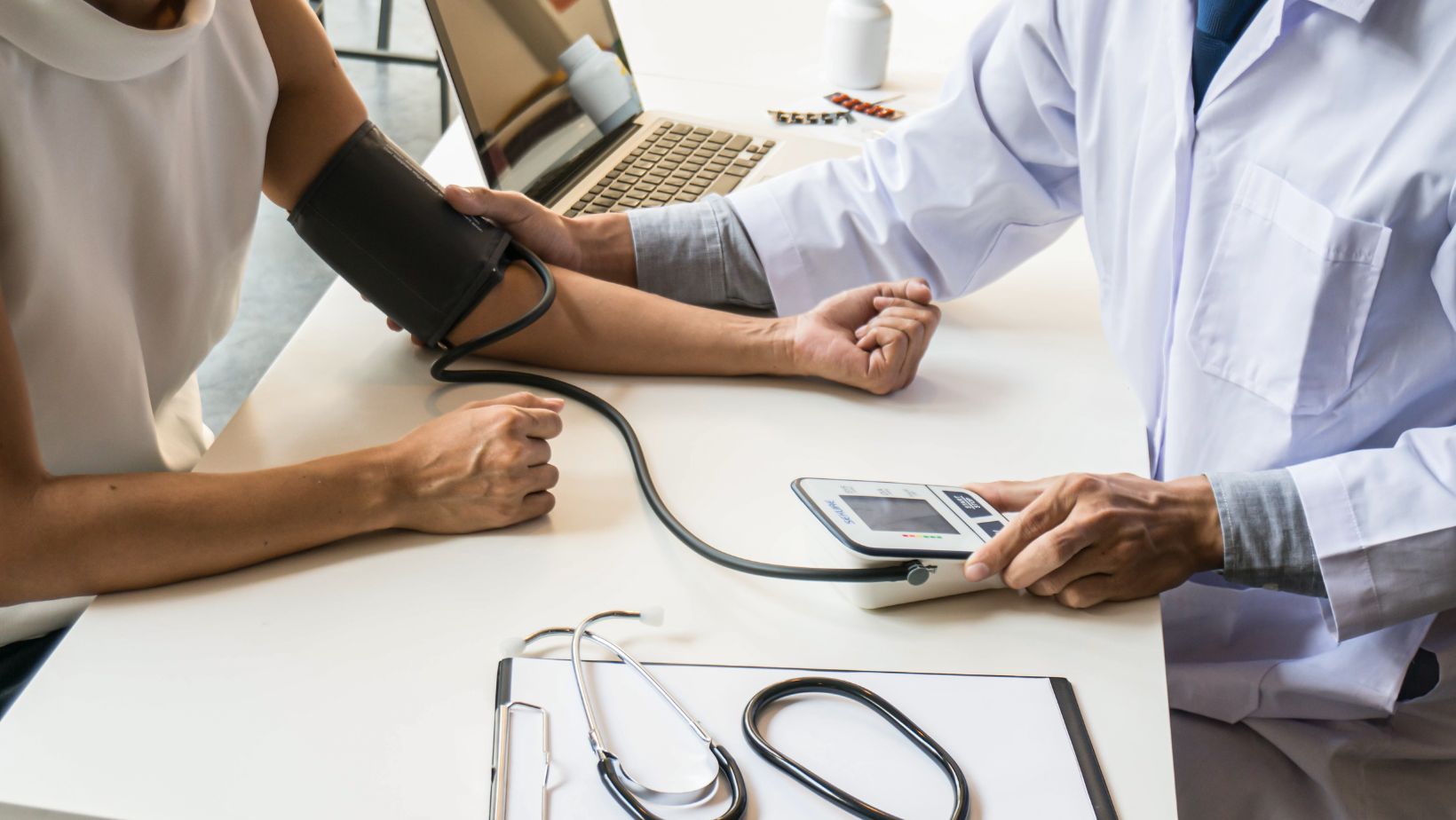
Heart checks are important. ECG looks at rhythm. Echo shows the heart moving. A treadmill test checks how the heart responds to effort. Blood pressure is measured. Your overall vascular risk is scored. Simple. Clear.
Considering a full body checkup in Turkey that fits your age and history? See Liv Hospital packages.
How the Process Works at Liv Hospital
There is planning before you arrive. Online or by phone. A short teleconsultation helps shape the package. The team reviews your history and adjusts tests. International guests can get help with travel, airport transfer, hotel ideas, and visa letters. Sometimes the plan fits in one day. Sometimes two.
On the day, check-in is quick. Vitals are taken. Fasting is confirmed. Most people do labs in the morning. Imaging follows. Ultrasound and X-ray are common. Advanced scans only if needed. Then heart tests. ECG. Echocardiography. A stress test when right for you. Specialist visits happen between tests. Internal medicine, cardiology, gynecology, or urology. Time is managed to keep things moving.
Results come fast. Some notes are shared the same day. Within about 48 hours you receive a digital report. It explains the numbers. It lists advice on food, exercise, medication, and follow-up. Telehealth is available for questions. Your doctor at home can be looped in.
For international patients who want a full body checkup in Turkey with multilingual help and tight scheduling, Liv Hospital is convenient.
Preparation Checklist and What to Expect
Plan to fast for about 8 to 12 hours before blood tests. This keeps glucose and lipid results accurate. Morning slots are common. Drink water. That is fine during fasting. If you take medicines for diabetes, blood pressure, or blood thinners, ask your doctor about any changes before the visit.
Bring medical records, a list of your medicines, and comfortable clothes. MRI screening asks about metal implants and pacemakers. Tell the team if you have claustrophobia or a contrast allergy. Privacy rules are followed. Gowns are provided for imaging and exams.
If you want a full body checkup in Turkey with clear guidance the same day, Liv Hospital is a strong option.
Comparing Hospitals and Understanding Costs in Turkey
Look at accreditation like Joint Commission International or ISO. Check the imaging tech. High resolution ultrasound. Digital X-ray. Modern MRI. Review the scope of labs and heart tests. A multidisciplinary team is useful. Internal medicine, cardiology, endocrinology, radiology. See how fast results come. Ask about language support and follow-up after you leave.
Packages come in tiers. Basic covers essential labs and one imaging method. Standard adds heart screening and consults. Executive adds advanced imaging and more specialist input. Cost depends on how many tests, which scans, how many consults, and extras like sleep studies or genetic tests. Many hospitals accept international insurance. Payment is usually transparent.
Compare options before your full body checkup in Turkey. Make sure you get wide lab coverage, imaging, and specialist input.
International Patient Experience at Liv Hospital
Logistics are simple. Airport transfer is arranged. Hotel suggestions are shared. Visa letters are provided when needed. Translators help in each department. Staff guide you between units. You will not wander around. The schedule fits into one or two days.
Care continues after the visit. You receive a full report in English. Prescriptions use international formats. Referrals are included if needed. Telehealth follow-up is available. Your local physician can be updated. It keeps care consistent. By the way, some people think the airline handles visas, which is usually not how it works, yet it gets asked.
Frequently Asked Questions
How long does the full checkup take?
Usually about 3 to 6 hours. Sometimes closer to 2 if the plan is small. If there are many tests, it can be longer.
Do I need to fast and can I take my medicines?
Yes, fast for about 8 to 12 hours for glucose and lipid tests. Water is fine. Ask your doctor about diabetes medicines and anticoagulants before the visit.
Is radiation from X-ray or CT a concern?
Modern systems use low doses. The benefit of a needed scan outweighs the exposure. Ultrasound or MRI is used when it fits your profile.
Can I customize the package?
Yes. The pre-visit consult adjusts tests to your age, risks, and history. You can add or remove items.
Do I need Turkish insurance and how do I pay?
No. International insurance is often accepted. You can pay by card, bank transfer, or cash. Prices are shared upfront.
What if I am anxious about MRI or the stress test?
Open MRI can help with claustrophobia. Sedation is an option for severe anxiety. Stress tests are supervised and intensity is adjusted to your comfort.
How often should I repeat a screening?
Most adults do a yearly check. If you have chronic issues or high risk, every six months is common. Some people repeat in about 10 to 12 months. Ayşe, now 41 in her notes, chose yearly follow-up.
Early detection helps. A full body checkup in Turkey offers complete evaluation, modern tech, and clear advice. It supports long-term health.