
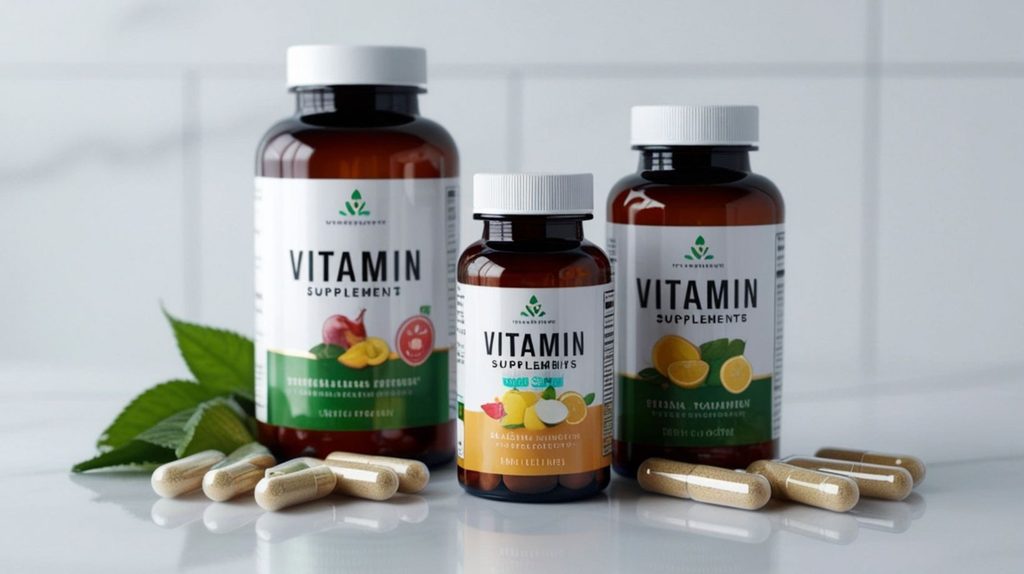
The importance of vitamins and minerals is on everyone’s lips. These micronutrients are indispensable helpers in the conversion of food into energy. They help build and restore tissues and bones, and their functions include supporting almost every system in our body.
Typically, people get vitamins and minerals with food, but their amounts are often too small to cover the body’s needs. That’s why additional support in the form of health-oriented supplements is beneficial. Such supplements are available today in online pharmacies and stores, and we decided to provide you with a short guide about what they are and how to choose them properly for your wellness goals.
What Are Vitamins and Minerals?
First, what is the difference between vitamins and minerals?
- Vitamins are organic compounds that support the immune system, the nervous system, help faster recovery of the body, and contribute to its health.
- Minerals are non-organic elements that are building materials for our body. They play a significant role in the formation of body structures, fluid balance, and nerve signal transmission.
Often, vitamins and minerals work in synergy, but sometimes, their simultaneous intake is not recommended. That’s why choosing a proper supplement for your body’s needs and deciding on proper intake is a must.
Key Vitamins and Their Functions
Among all vitamins, several are the most important for maintaining health balance. These are such vitamins as:
- Vitamin A plays a core role in eye health and sharp vision. When you get enough of it, the risks of eye diseases decrease, you can see better in the dark, and your eye tissues are protected. Besides, it contributes to other surface tissues protection – keeps the skin smooth and soft and boosts cell repair. One more function of vitamin A is immune support. It helps fight infections and stimulates the production of white blood cells.
- B vitamins are indispensable for food conversion into energy. They help build red blood cells, maintain the health of the nervous system and correct nerve signal transmission.
- Vitamin C is the most powerful immunity booster. Moreover, it helps the body to produce collagen, the protein fuel for skin, bones, and blood vessels. It also works as a potent antioxidant.
- Vitamin D works in synergy with calcium, contributing to bone strength and normal growth.
- Vitamin E protects our cells from damage and supports the immune system. It also helps maintain healthy skin, hair, eyes, and blood vessels.
- Vitamin K is a natural blood-clotting regulator.
A lack of any of these vitamins leads to health issues and weakens the body’s protection against pathogens.
Important Dietary Minerals
Our body cannot function properly without mineral support. It requires minerals for proper development and health. The most critical dietary minerals we need daily are as follows:
- Calcium is a natural building material for bones and teeth.
- Phosphorus also builds bones and contributes to the formation of DNA and RNA.
- Magnesium provides potent support to the nervous system and supports enzyme production in the gut.
- Iron delivers oxygen through the blood via hemoglobin.
- Potassium controls fuel balances and muscle contractions.
- Zinc accelerates wound healing and is vital for cellular metabolism.
Food Sources vs. Supplements
It is believed that we get most minerals and vitamins from food. Yet, today, maintaining a balanced diet is almost impossible. Besides, the amounts of vitamins and minerals we need at every stage of life change. When we are children and young adults, we need them more for body development and growth. When we are at our prime, we need to keep them balanced to remain energized and healthy. When we age, we still need them for body functions’ support, yet we cannot consume them from food in the necessary amounts. That’s why today, adding some health-supporting supplements is beneficial. For those who prefer a whole-food approach, Heart & Soil offers organ-based supplements made from grass-fed cattle that deliver vitamins and minerals in their most natural, bioavailable form. Besides, you have a wide choice of ready-made products, designed for specific ages, health conditions, and life cycles. For example, you can select vitamins and minerals in a mono-supplement or in a polyvitamin form. There are specific complexes and supplements for kids, men, women, seniors, pregnant women, women in menopause, or people with specific health conditions.
How to Choose Vitamins and Minerals
Choosing from the variety of supplements containing vitamins and minerals can be difficult. Here are some tips for your proper choice.
1. Clearly evaluate your body’s needs. For this, you can consult your medical advisor and undergo blood tests to determine the levels of vitamins and minerals and their lacks.
2. Consider the symptoms you experience. For example, if your bones are prone to fracture, you probably need calcium and phosphorus along with vitamin D. If you suffer from sleep disorders or night seizures, it is a sign that you lack magnesium and potassium. Yet, in any case, it is better to undergo diagnostics before taking some supplements.
3. Consider formulations and dosages before buying vitamins and minerals. Some complexes have age restrictions or enhanced dosages that are not recommended for some people.
4. The quality matters! Better choose supplements that have quality certificates and approval from medical authorities.
In any case, always read the label of a chosen supplement to get more information and decide whether it will meet your personal nutrition needs.
Can You Take Too Many Vitamins or Minerals?
It looks like getting more vitamins and minerals is always a healthy choice. Yet, it is a wrong point of view. If you consume too many vitamins, it can lead to hypervitaminosis. This condition is accompanied by multiple symptoms that considerably spoil the quality of life. The same is true for overdosing on minerals. Moreover, in some cases, for example, when you get too much magnesium, hypermagnesemia can develop. This condition can be hazardous and often is manifested by such symptoms as diarrhea, muscle weakness, low blood pressure, and constant fatigue. That’s why do not overdo vitamin and mineral supplements to maintain balance.
Bottom Line
Vitamins and minerals in the form of nutrition supplements are great health supporters when we cannot get them naturally with food. However, they need preliminary testing to decide on the correct dosage so as not to overdose on them. Besides, the quality of supplement products also matters. So, it is better to choose certified supplements from reliable brands if you want to feel the effectiveness.