
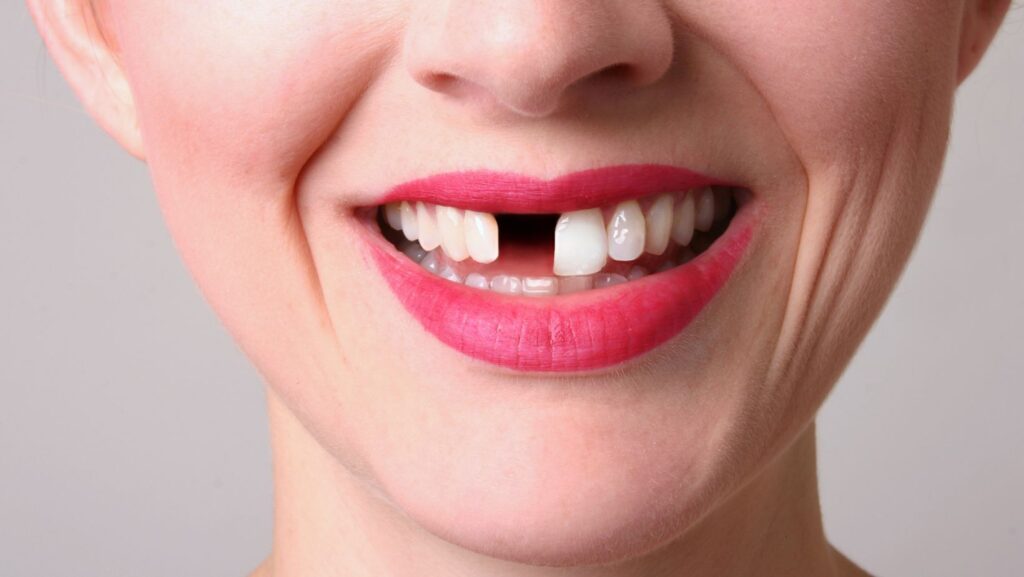
Maintaining healthy teeth is essential for overall well-being, self-confidence, and proper oral function. When teeth are damaged or missing, it can affect not only the ability to eat and speak properly but also the appearance of a smile. Families often face questions about the best ways to restore teeth, especially when multiple members may require treatment. Understanding the causes of dental damage and the available restoration options helps families make informed choices for long-term oral health.
Modern dentistry provides multiple solutions to repair and replace teeth, ranging from fillings and crowns to bridges, dentures, and dental implants. By learning about each option, families can select treatments that fit their lifestyle, budget, and health needs. Proper care after restoration ensures that these solutions last and continue to support oral health for years to come.
Common Causes of Dental Damage and Tooth Loss
Several factors can lead to dental damage or tooth loss. Cavities from poor oral hygiene or high-sugar diets are a common cause. Trauma from sports injuries or accidents can also result in broken or missing teeth. Gum disease is another major contributor to tooth loss, particularly in adults. Over time, natural wear and tear can weaken enamel, making teeth more susceptible to damage. Certain genetic conditions may also affect the strength and health of teeth.
Early identification of dental problems is essential for preventing further damage. Families can reduce the risk of tooth decay and loss through regular dental checkups, proper brushing and flossing techniques, and adopting a balanced diet. Teaching children healthy oral hygiene habits sets the foundation for lifelong dental health.
Traditional Dental Restoration Options
Traditional dental restorations provide effective solutions for repairing and replacing teeth. Fillings are used to treat cavities and minor damage, restoring both function and appearance. Crowns are another option, covering and protecting damaged teeth to provide strength and durability. Bridges replace one or more missing teeth by anchoring a false tooth to adjacent natural teeth. Dentures offer a removable solution for multiple missing teeth, especially in older adults.
Each restoration type has its advantages and limitations. Fillings are quick and cost-effective but suitable only for minor damage. Crowns provide long-lasting protection for damaged teeth, while bridges maintain spacing but may require altering neighboring teeth. Dentures are convenient and removable, but need ongoing maintenance and adjustment for comfort. Understanding the pros and cons of each option allows families to select treatments that meet their specific needs.
Dental Implants: A Modern Solution for Missing Teeth
Dental implants have become one of the most effective long-term solutions for missing teeth. An implant involves surgically placing a titanium post into the jawbone, which acts as a replacement root. A crown is then attached to the post, creating a natural-looking and fully functional tooth. Dental implants offer several advantages over traditional restoration methods.
Implants restore full chewing function and a natural appearance, prevent jawbone loss, and do not rely on neighboring teeth for support. They are durable and can last many years with proper care. Dental implants are suitable for adults and families dealing with tooth loss due to decay, injury, or aging. For families considering this option, it is important to consult experienced professionals. You can visit Doctors Implants for dental implants san antonio to explore specialized treatment options and determine the best approach for your family’s needs. Proper evaluation ensures optimal results and improved oral health for years to come.
Caring for Restored Teeth
Once teeth are restored, whether through fillings, crowns, bridges, dentures, or implants, proper care is essential to maintain their longevity. Daily brushing and flossing help prevent plaque buildup and protect both natural and restored teeth. Routine dental checkups allow professionals to monitor restorations and identify potential problems early. Avoiding overly hard or sticky foods reduces the risk of damage to restorations, while using protective gear during sports or high-risk activities prevents trauma.
Teaching children and other family members about proper oral hygiene and the care of restored teeth ensures that everyone benefits from long-lasting results. Consistent care preserves both function and appearance, supporting overall oral health and comfort.
Benefits of Professional Guidance and Family-Oriented Dental Care
Professional guidance is key to making informed decisions about dental restoration. Dentists provide tailored recommendations based on a patient’s age, oral health, and specific restoration needs. Family-oriented dental care ensures that every member receives preventive, restorative, and cosmetic solutions appropriate for their stage of life. Dentists can advise on the most suitable restoration type, proper at-home care, and when professional intervention is necessary.
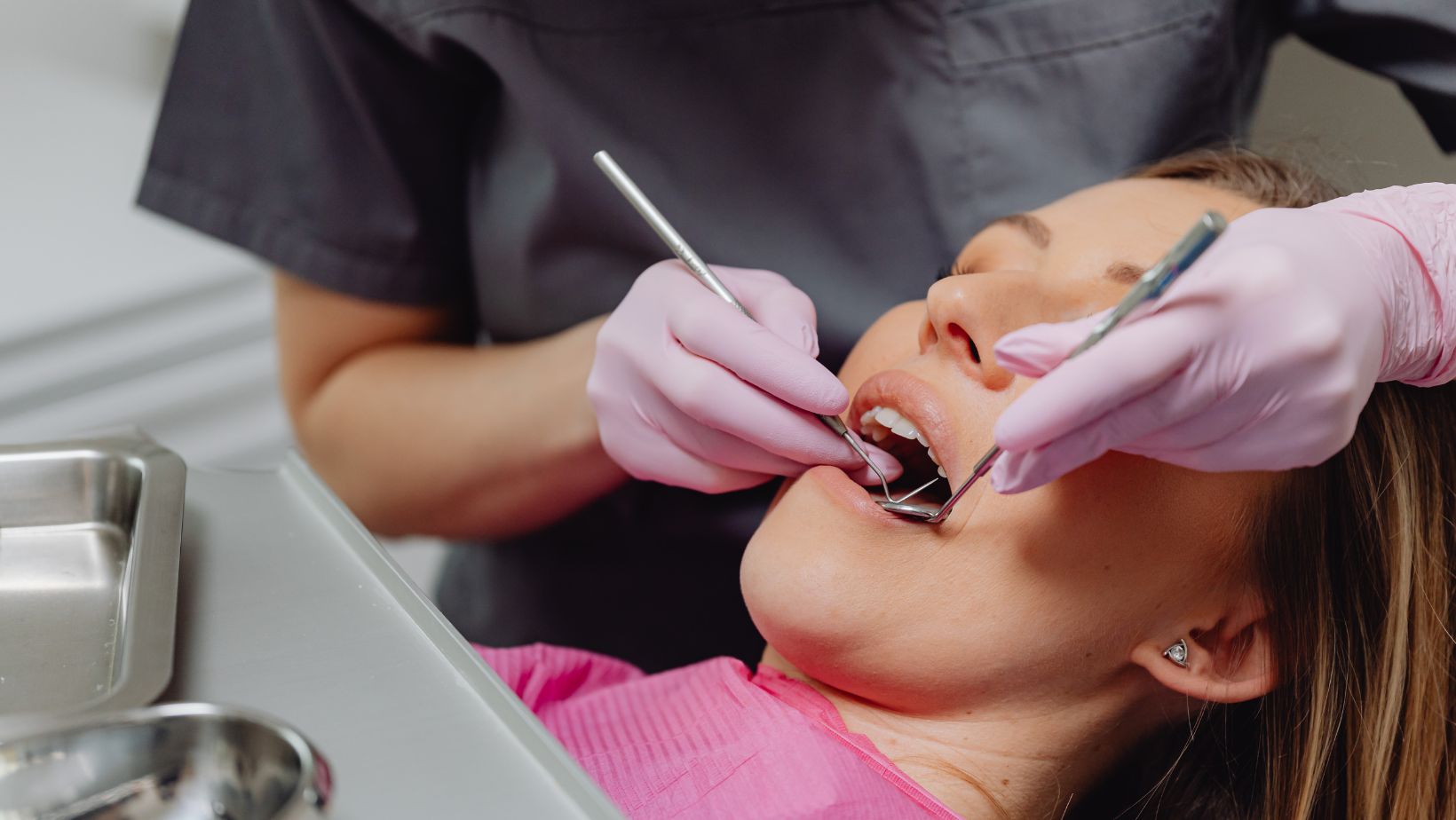
Working with dental professionals reduces the risk of complications and improves the success of restorations. Regular checkups, combined with professional advice, help families maintain healthy smiles and avoid unnecessary dental problems over time.
Restoring Smiles for Health and Confidence
Restoring damaged or missing teeth is essential for maintaining oral health, functionality, and self-confidence. Families should understand the causes of dental damage, explore traditional restoration options, and consider modern solutions such as dental implants. With proper care and guidance from dental professionals, restored teeth can provide long-lasting benefits for the entire family. Investing in dental health ensures that every family member can enjoy comfortable, functional, and beautiful smiles for years to come.