

Home design can present unique challenges, especially when it comes to heating solutions. Whether you’re dealing with a compact city apartment or a quaint countryside cottage, making efficient use of limited wall space can fundamentally impact the comfort and aesthetic of your living area. This is where vertical radiators emerge as a beacon of innovation, providing both style and functionality. As an alternative to traditional horizontal radiators, vertical radiators can be the perfect choice for homeowners looking to maximise their heating efficiency without sacrificing valuable wall space.
The Rise of Space-Saving Solutions
The modern home is increasingly becoming a multi-functional space, with open-plan living areas and flexible layouts. As designers and home decorators strive to create fluid environments that serve multiple purposes, the demand for space-saving solutions has risen significantly. Vertical radiators are a testament to this trend, designed specifically to accommodate limited space while still delivering optimum heat output. They rise upwards rather than spreading outwards, utilising the often underutilised height of a room.
Improving Aesthetic Appeal
Beyond their practicality, vertical radiators also add a stylish touch to any room. With a wide range of designs, finishes, and colours available, they can complement various interior design schemes from modern minimalism to rustic charm. Unlike traditional radiators, which are sometimes considered bulky and hard to integrate into a decorative theme, vertical radiators can become a feature in their own right. By occupying less horizontal wall space, they allow homeowners to focus on other decorative elements like artwork, mirrors, or bespoke furniture.
Enhancing Heating Efficiency
Heating efficiency is paramount, especially during the colder months. One of the primary advantages of vertical radiators is their ability to provide effective heating in tighter spaces. Due to their tall and narrow design, these radiators can be installed in areas that might otherwise remain unheated or require smaller, less effective heating solutions.
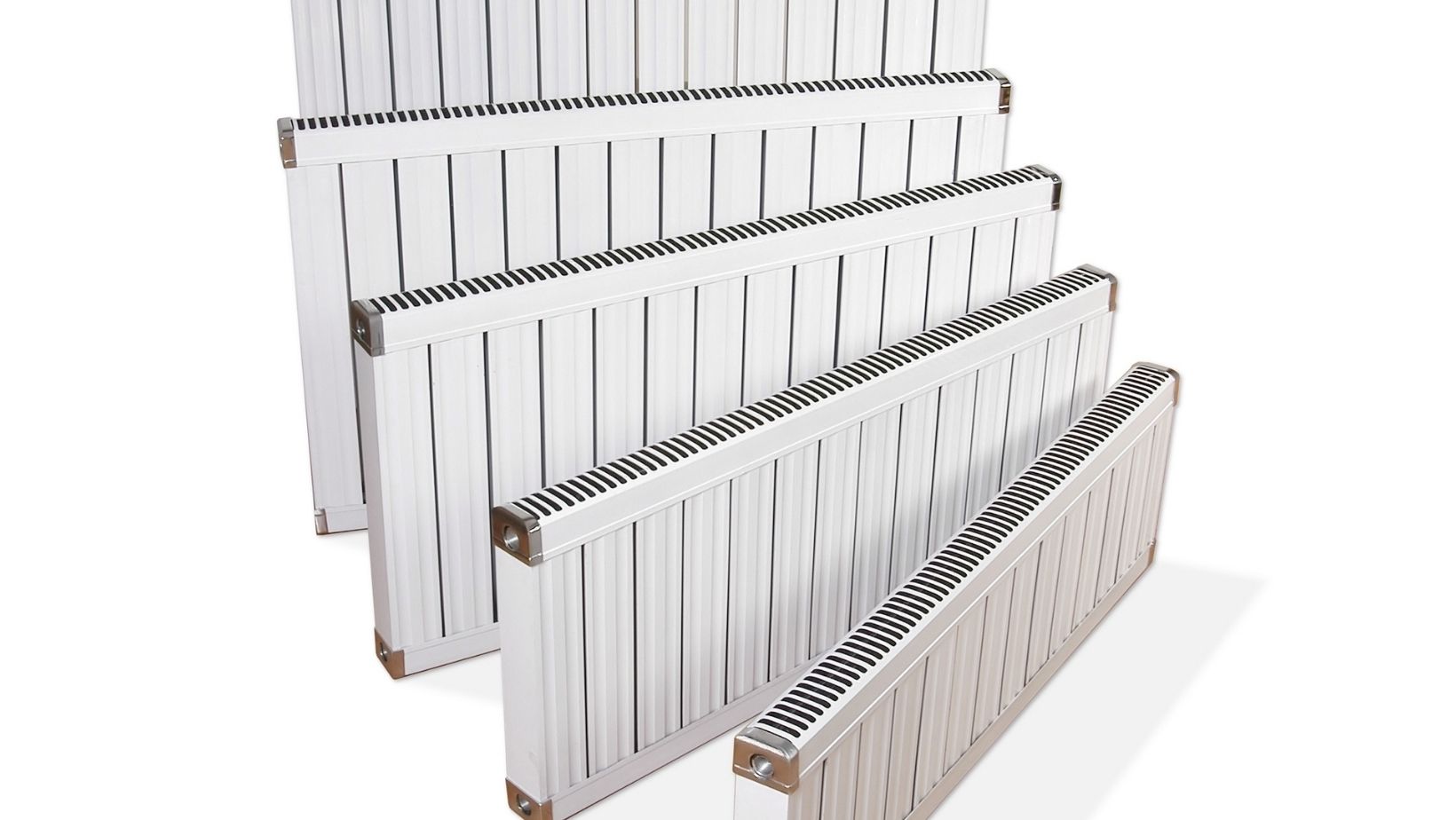
They make better use of convection, evenly distributing warmth throughout the space, resulting in a cosy environment for occupants.
Flexibility of Placement
Another benefit to consider is the flexibility of placement that vertical radiators offer. In homes where windows, doors, or furniture dominate wall space, the vertical radiator can be neatly positioned in corners or narrow sections of wall. This flexibility allows for more creative and efficient room layouts, without being restricted by the radiator’s footprint. The strategic placement of a vertical radiator ensures both warmth and aesthetic continuity, even in the most constrained spaces.
Considerations for Installation
While vertical radiators offer numerous advantages, it is important to consider certain factors before installation. Firstly, it’s crucial to choose the correct size and output to efficiently heat the intended area. Consulting with a heating expert can help you determine the best option for your specific needs. Furthermore, the installation process might require professional assistance to ensure secure mounting, given the height and weight some models can possess. Considering these aspects will guarantee that your vertical radiator not only meets heating requirements but also fits seamlessly within your home.
Vertical radiators present a practical and attractive heating solution for homes where wall space is at a premium. Their ability to blend functionality with design makes them a viable choice for anyone looking to optimise their living space while enhancing the room’s aesthetic appeal. By integrating these considerations during the planning phases, homeowners can enjoy a warm, stylish, and efficient living environment throughout the year.