

The human body involves complex physiological processes, governed by organs and organ systems. While multiple vital organs play crucial roles in homeostasis, your cardiovascular system is primarily responsible for supplying blood to other parts of the body. One of the most crucial parameters for assessing cardiovascular health is your blood pressure.
Moreover, it can signify any significant deviations in hydration levels, physical activity, and overall emotional state. Any illness or temperature shift can have a direct impact on your blood pressure. Keep reading to understand how your health and environmental changes in temperature impact your blood pressure.
Basics Of Blood Pressure Regulation
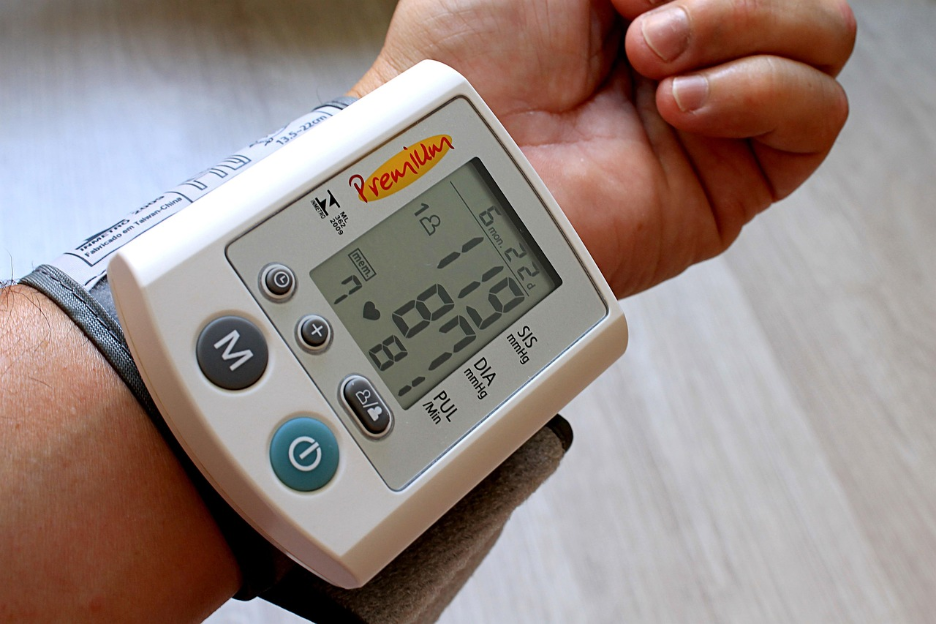
When it comes to understanding the effect of blood pressure on your physiological functions, it’s crucial to understand its regulation. Blood pressure refers to the force exerted by blood on your arterial walls.
It arises through a complex interconnection between the pumping action of your heart and the transportation through blood vessels. Moreover, other organ systems, including the excretory system and nervous system, play an important role in increasing or decreasing blood pressure.
During normal conditions, physical exertion and the release of stress hormones can increase the levels of blood pressure above baseline levels. However, during times of distress, such as illness or a decline in environmental temperature, your blood pressure levels may experience significant deviation.
Most people wonder, “Is blood pressure higher when getting cold or sick?” to understand its impact on the vital organs. Let’s break down the response of the circulatory system to such deviations in an in-depth manner.
Impact Of Cold On Blood Pressure
One of the major changes in your blood pressure may occur as a result of a significant change in environmental temperature. Research reveals that cold temperatures have a significant impact on the functioning of your circulation. This is because when your body experiences colder temperatures, the blood vessels tend to constrict, thereby causing vasoconstriction.
As a result, it causes narrowing of the arteries and can increase the blood pressure to a certain extent. Such a compensatory rise in blood pressure accounts for adequate oxygen and tissue perfusion to the vital systems of your body.
1. Vasoconstriction
In colder climates, your body tends to preserve heat and improve circulation through the process of vasoconstriction. It reduces the blood flow to the external organs, including the skin and your lower extremities. Overall, it has a significant impact on your blood pressure and can make it shoot higher.
2. Sympathetic Nervous System Activation
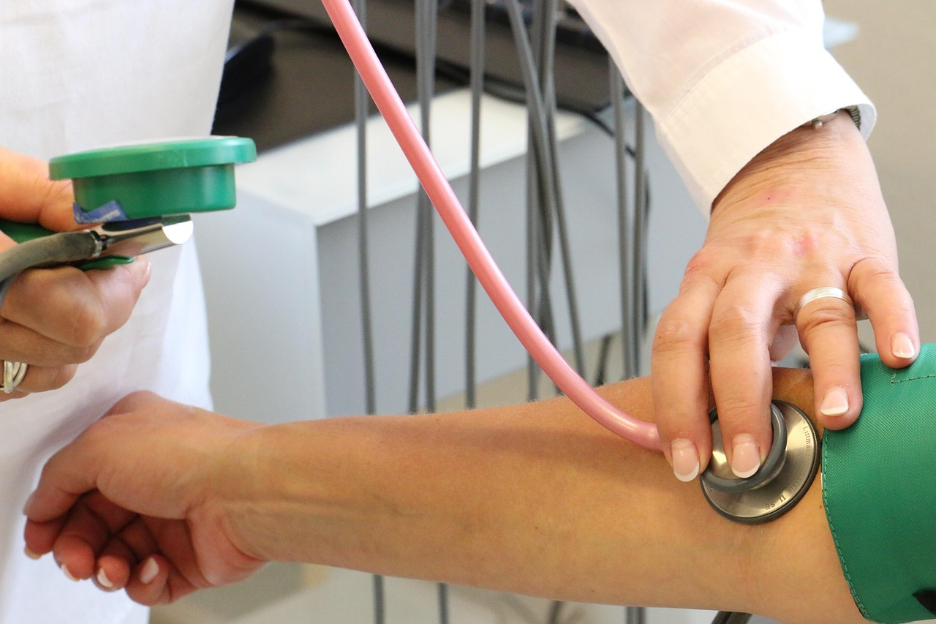
Another common reason for an increase in blood pressure following a decline in the environmental temperature is the activation of the sympathetic nervous system. The release of several hormones, particularly adrenaline and non-adrenaline, can elevate your blood pressure.
3. Reduced Physical Activity
Most people tend to stay indoors as winters arrive. It’s notable that a decline in physical activity and weight gain can lead to poor circulation and higher blood pressure.
4. Modified Dietary Habits
There’s no doubt that the winter season can affect your dietary habits. Most people tend to consume salty or calorie-laden foods during the winter season. Such factors contribute to higher blood pressure and may affect your circulatory system.
How Illness Alters Blood Pressure?
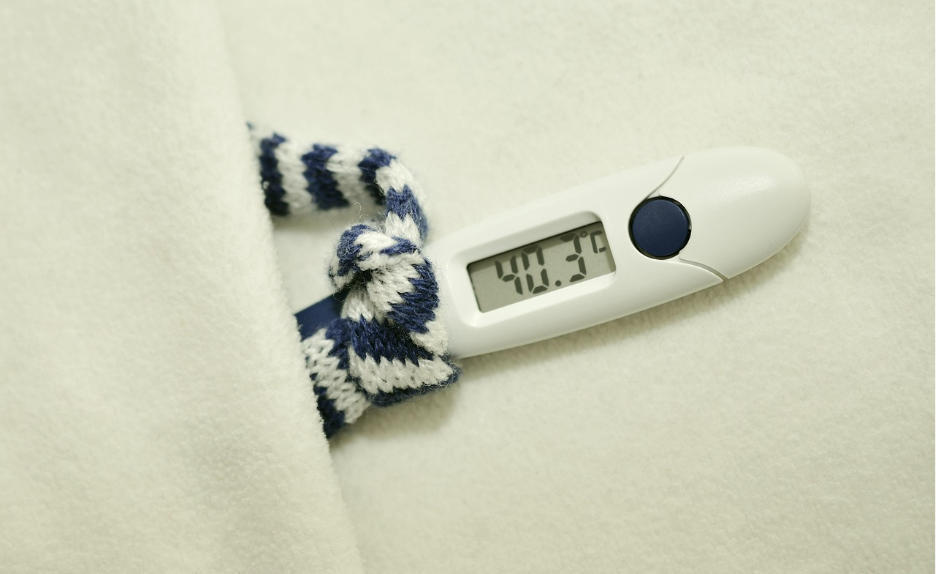
Another common reason behind a temporary increase in blood pressure is illness or underlying infections. Specific illnesses, such as fever, inflammation, or dehydration, can trigger a spike in your blood pressure. Furthermore, it leads to a physiological change in circulatory mechanisms and faster tissue perfusion pathways.
1. Fever
When you are down with a fever, your body mechanisms shift towards a fast-pumping heart. This change occurs to ensure proper blood supply and adequate maintenance of your body temperature towards the normal levels.
2. Inflammation
Did you know that underlying inflammation can elevate blood pressure due to several pathological mechanisms?
During inflammation or infections, your body releases inflammatory cytokines to ward off the pathogenic attacks. As a result, a slight increase in blood pressure occurs to maintain fluid and electrolyte balance.
3. Dehydration
Most individuals experiencing dehydration and electrolyte loss may suffer from higher blood pressure. Whether it’s due to flu, diarrhea, or vomiting, your heart tends to pump faster to compensate for the fluid loss. As a result, the compensatory increase in blood pressure accounts for appropriate circulation throughout the body.
Blood Pressure Changes & Accompanying Symptoms
When your body experiences an elevated blood pressure due to underlying issues, such as illness or cold temperature, you may experience certain signs and symptoms. The physical signs depend upon the severity and duration of the underlying physiological changes.
Most individuals experiencing high blood pressure suffer from heaviness or headache, facial flushing, and palpitations. Moreover, chest discomfort and shortness of breath can occur in case of significant changes in blood pressure.
Other symptoms, including persistent fatigue, dizziness, cold skin, and poor focus, accompany a high blood pressure state amongst individuals. While the signs and symptoms vary considerably, some symptoms are constant and indicate higher blood pressure.
Final Verdict
Blood pressure is an indicator of your heart and circulatory functions. An underlying illness or a drop in environmental temperature can impact your blood pressure to a certain extent.
This is because of the cold-induced vasoconstriction and dehydration arising as a result of the inflammation. Further, illnesses, such as fever or inflammation, lead to the release of stress hormones, thereby increasing blood pressure.
While your body elevates the blood pressure as a compensatory mechanism, a prolonged rise in the blood pressure requires expert consultation.