
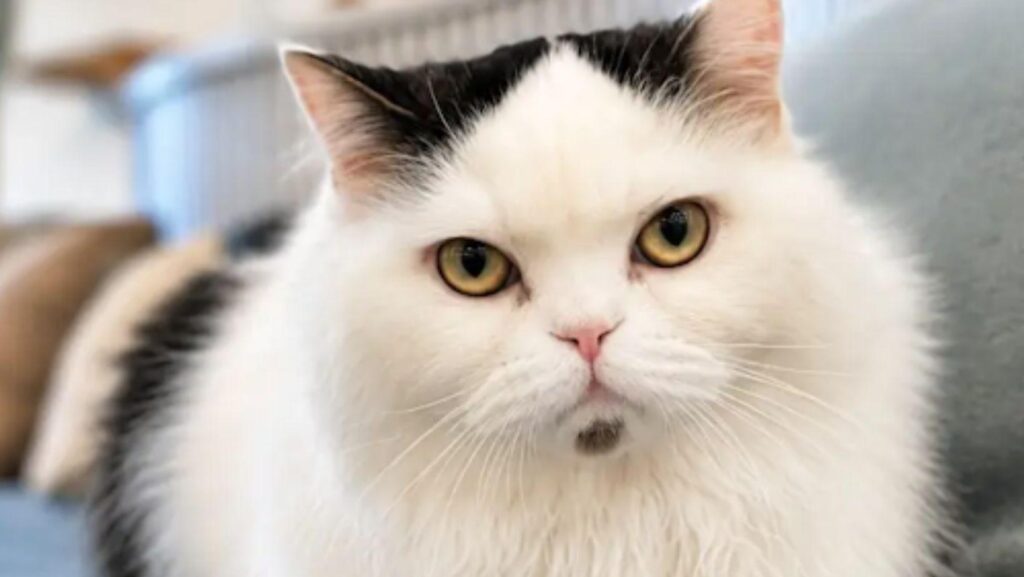
Adding a cat to your household is a big decision — especially when there are children in the home. The right cat becomes a patient playmate, a source of comfort, and a gentle first lesson in responsibility; the wrong match can mean scratches, stress, and frustration for everyone. This is where purebred cats have a real advantage: because their temperament, size, and grooming needs are far more predictable than a random kitten’s, parents can choose a breed that genuinely fits family life. This guide walks you through the most kid-friendly breeds and how to prepare your children for a new companion.
“Children who grow up helping to care for a pet often develop stronger empathy, routine, and a sense of responsibility that lasts well into adulthood.”
— A common observation among family and pediatric experts
Why Breed Matters for Families
With a purebred cat, you know roughly how large it will grow, how much grooming it will need, and — crucially — how it is likely to behave around children, guests, and other pets. For a busy household, that predictability removes much of the guesswork. Some breeds are famously tolerant of noise, handling, and the unpredictable energy of young kids, while others prefer calm, quiet homes and can find a bustling family overwhelming. A high-energy breed may nip or hide when overstimulated, while a placid one shrugs off the chaos of family life. Matching the breed to your family’s rhythm is the single most important step you can take, and it is far easier to do when the temperament is known in advance.
The Most Kid-Friendly Purebred Breeds
The breeds below are consistently praised for their patience, affection, and easygoing nature around children:
|
Breed |
Temperament With Kids |
Grooming |
Great For |
|
Ragdoll |
Docile, loves being held |
Moderate |
Gentle, cuddly companionship |
|
Maine Coon |
Patient, playful, dog-like |
Regular brushing |
Active, hands-on families |
|
Birman |
Affectionate, calm |
Moderate |
Quieter, gentle homes |
|
Siberian |
Robust, playful, lower allergen |
Seasonal brushing |
Allergy-prone families |
|
British Shorthair |
Easygoing, independent |
Low |
Busy households |
What to Consider Before Bringing a Cat Home
Before you fall for a particular breed, weigh a few practical factors as a family:
- Allergies — test for sensitivities first; breeds like the Siberian tend to be better tolerated.
- Your children’s ages — toddlers need constant supervision; older kids can share real responsibility.
- Time and cost — food, litter, vet care, and grooming all add up over a cat’s long life.
- Space and existing pets — make sure the cat will have a quiet retreat away from busy areas.
“The calmest cat in the world still needs a safe place to retreat. Teach children early that a resting cat should be left to rest.”
— A family veterinarian’s advice
Cats, Allergies, and a Healthy Home
Allergies are one of the most common reasons a family cat doesn’t work out, so it is worth addressing before you commit. The allergen at fault is usually a protein in cat saliva and skin rather than the fur itself, which is why no cat is truly “hypoallergenic” — though some breeds produce less of it. If anyone in the home is sensitive, spend time with the specific breed first, keep bedrooms cat-free, groom regularly, and vacuum often. Many families with mild sensitivities live happily with a Siberian or a Balinese once these simple habits are in place. When in doubt, a short trial visit tells you far more than any label ever could.
Teaching Kids to Help Care for the Cat
Caring for a pet is one of childhood’s best lessons in responsibility — as long as the tasks match the child’s age. Use the guide below as a starting point:
|
Child’s Age |
Age-Appropriate Responsibilities |
|
2–4 years |
Gentle, supervised petting; helping choose toys |
|
5–7 years |
Refilling the water bowl; brushing with help |
|
8–11 years |
Measuring food; scooping litter with guidance |
|
12+ years |
Full feeding routine; watching for changes in health or mood |
Introducing the Cat to Your Children
First impressions set the tone for the whole relationship. Take these steps slowly:
- Prepare a safe room where the cat can settle before meeting the whole family.
- Keep first meetings calm — quiet voices, slow movements, one child at a time.
- Show gentle handling by demonstrating how to stroke the cat and support its body.
- Let the cat approach rather than having children chase or corner it.
- Reward calm behavior from both kids and cat, and build up interaction over days, not minutes.
Preparing Your Home
A little preparation makes the arrival far smoother for everyone. Before your kitten comes home, gather the essentials and set some ground rules with the kids:
- A litter box in a quiet, low-traffic spot.
- Food and water bowls, plus the food the cat is already used to.
- A scratching post, a cozy bed, and a few safe toys.
- A house rule that the cat is never disturbed while eating or sleeping.
Kitten-proof your space by securing loose cords, removing toxic houseplants, and putting away small, swallowable objects that curious kids and cats alike tend to find. It also helps to agree in advance who handles which daily task, so responsibility is shared fairly and nothing important slips through the cracks in the excitement of the first week.
The Reward of Getting It Right
Choosing a family cat thoughtfully pays off for years. A well-matched purebred cat grows alongside your children, teaching them patience and empathy while becoming a beloved member of the household. It offers comfort after a hard day at school, a warm companion at bedtime, and countless small moments of laughter along the way. Happy Paws offers health-tested, fully documented purebred kittens from family-friendly breeds, with ethical care and safe nationwide delivery. Take your time, involve your children in the decision, weigh the practical points above, and you will build a bond that enriches family life for a decade or more.