

As parents, we all want to nurture our children’s passions and help them grow into confident, well-rounded individuals. If your child has taken an interest in the violin, that’s wonderful! Playing an instrument like the violin can boost creativity, discipline, and even cognitive skills. But supporting this hobby goes beyond just signing up for lessons—it’s about creating an encouraging environment at home. In this guide, we’ll explore eight practical tips to help you foster your child’s love for the violin while keeping things fun and stress-free.
These ideas draw from everyday parenting wisdom to make the journey harmonious for the whole family. Whether your little one is just starting out or already showing promise, these strategies can help turn their initial curiosity into a lifelong appreciation for music. We’ll cover everything from practical setup to emotional encouragement, ensuring you have the tools to guide them effectively.
Find the Right Teacher and Start Slow Begin
By researching local violin instructors who specialize in working with children. Look for someone patient and engaging who can tailor lessons to your child’s age and skill level. Start with short, weekly sessions to avoid overwhelming them, and observe a few classes to ensure it’s a good fit. This foundational step sets a positive tone and helps build your child’s enthusiasm without pressure. To find the perfect teacher, consider asking for recommendations from other parents in your community or checking online reviews on platforms like music school directories. Interview potential instructors about their teaching philosophy—do they emphasize fun and play, or strict technique? For younger kids, a teacher who incorporates games and stories into lessons can make learning feel like an adventure rather than a chore.
Once lessons begin, maintain open communication with the teacher to track progress and address any early hurdles, such as hand positioning or bow grip. Remember, the goal is steady improvement, not instant mastery. If your child seems frustrated, it might be worth trying a different instructor; compatibility is key to long-term success. By starting slow, you’re allowing your child to build confidence gradually, which can prevent burnout and foster a genuine love for the instrument.
Buy a Violin Case from a Place
Protecting your child’s instrument is essential for its longevity and your peace of mind. Invest in a sturdy, well-padded violin case to safeguard it during travel to lessons or performances. Sites like greatviolincases.com offer a variety of options that are durable, lightweight, and kid-friendly, making it easy to find one that suits your needs and budget. When shopping, prioritize cases with features like moisture-resistant materials, secure latches, and ample storage for accessories such as rosin, shoulder rests, and extra strings.
A good case not only protects against bumps and scratches but also teaches your child responsibility for their equipment. Consider involving your child in the selection process—let them pick a color or design they like, turning it into an exciting part of their hobby. Budget-wise, entry-level cases start around $50, while premium ones with carbon fiber can go up to $200 or more, but durability pays off in the long run. Don’t forget to check for warranties and customer reviews to ensure quality.
Once you have the case, establish a routine for packing and unpacking the violin, which can become a calming ritual before practice. This small investment goes a long way in showing your child that you value their passion and are committed to helping them succeed.
Create a Dedicated Practice Space at Home
Set up a quiet, comfortable corner in your home specifically for violin practice. Include a music stand, good lighting, and perhaps some inspirational posters of famous violinists.
This dedicated area signals to your child that their hobby is important and helps establish a routine, turning practice into a natural part of the day. To make the space inviting, add elements like a soft rug for standing comfort or a chair for seated practice, ensuring ergonomics to prevent strain.
Organize accessories neatly—use shelves for sheet music and a hook for the bow—to minimize distractions and encourage independence. Personalize it with items that spark joy, such as a small plant or photos from concerts they’ve attended. Good acoustics can enhance the experience; if possible, choose a room with hardwood floors or add sound-absorbing panels to reduce echo without muting the sound. Lighting is crucial—opt for adjustable lamps to avoid glare on music sheets.
If space is limited, a foldable setup works well. Involve your child in designing the area to give them ownership, which can boost motivation. Over time, this space becomes a sanctuary where creativity flows, helping them associate practice with positivity rather than obligation.
Encourage Consistent but Fun Practice Sessions
Help your child build a daily practice habit by keeping sessions short and enjoyable—aim for 15-30 minutes depending on their age. Use timers, rewards like stickers, or even apps that gamify music learning. Praise their efforts rather than perfection, and remember that consistency over intensity leads to real progress. To keep things engaging, vary the routine: one day focus on scales with a metronome app, another on playing along to favorite songs. Incorporate technology like violin tuner apps or online tutorials for variety. Set achievable goals, such as learning one new measure per session, and track them in a fun journal with drawings or notes.
If resistance arises, turn practice into play—challenge them to improvise a tune about their day or duet with you on a simple instrument. Avoid negative feedback; instead, use phrases like “That sounded stronger today!” to build self-esteem. For older kids, discuss practice schedules together to promote autonomy. Research shows that regular, enjoyable practice enhances neural connections, improving not just musical skills but also focus and memory. By making it fun, you’re helping your child develop discipline without resentment, paving the way for sustained interest.
While digital tools can be helpful, it’s important to balance screen-based learning with hands-on practice. For guidance on managing your child’s overall screen time while encouraging productive activities like music, check out these tips for healthy digital habits. The goal is using technology as a supplement, not a replacement, for physical practice with the instrument.”
Expose Them to Violin Music and Performances
Broaden your child’s horizons by listening to violin concertos together during car rides or family dinners. Attend local recitals, orchestra performances, or watch online videos of young prodigies. This exposure can inspire them, show the violin’s versatility in genres like classical, folk, or even pop, and make the instrument feel like part of a bigger world. Start with accessible pieces like Vivaldi’s “Four Seasons” or modern covers by artists like Lindsey Stirling to show how violin spans styles.
Create playlists on streaming services tailored to their tastes—mix in movie soundtracks featuring violin to connect it to familiar stories. Plan family outings to free community concerts or festivals, where they can see live musicians up close. Online platforms like YouTube offer masterclasses from virtuosos, providing tips and motivation. Discuss what they liked or learned afterward to deepen engagement.
For hands-on inspiration, visit music stores to try different violins or attend workshops. This cultural immersion not only fuels passion but also builds appreciation for music history and diversity. Over time, it can spark aspirations, like joining a school orchestra or composing their own pieces, enriching their hobby beyond solo practice.
Be Patient and Offer Emotional Support
Learning the violin can be challenging, with squeaky notes and frustration along the way. As a parent, your role is to be a cheerleader—listen without judgment, offer gentle reminders, and celebrate small wins like mastering a new scale. Avoid pushing too hard; instead, focus on building their resilience and love for music through positive reinforcement.
Understand that plateaus are normal; during tough phases, remind them of past progress to maintain morale. Teach coping strategies, like deep breathing before tricky passages or breaking songs into sections. Share stories of famous violinists who overcame obstacles to normalize struggles. If emotions run high, validate their feelings—”It’s okay to feel frustrated; let’s try again tomorrow.”
Balance support with space—sometimes stepping back allows them to problem-solve independently. Involve professionals if needed, like a music therapist for anxiety-related issues. Emotional backing fosters grit, essential for any pursuit. Research indicates that supportive parenting correlates with higher persistence in activities, leading to greater achievement and enjoyment.
Helping your child develop a calm, centered mindset can make a significant difference in their practice sessions. When they learn to approach challenges with inner peace and confidence, the music flows more naturally. For deeper insights on cultivating this sense of balance and harmony in daily life, explore this guide on what it means to feel aligned.
Involve the Family in Their Musical Journey
Make the violin hobby a family affair by encouraging siblings to join in duets or clapping along during home performances. Share updates with relatives or host mini “concerts” at gatherings. This inclusivity not only boosts your child’s confidence but also strengthens family bonds around their interest.
Start small: have family members request songs or provide feedback in a positive way. Siblings can learn basic accompaniment on piano or guitar for collaborative fun. Organize themed evenings, like “Violin Night” with music trivia or baking violin-shaped cookies.
Record home sessions to share with grandparents via video calls, creating a support network. This involvement demystifies the process for everyone, reducing any jealousy and promoting empathy. For extended family, suggest gifts like concert tickets or accessories.
Such shared experiences build a sense of community, making the hobby feel celebrated rather than isolated. Ultimately, it teaches social skills, like performing for audiences, preparing them for real-world opportunities.
Monitor Progress and Adjust as Needed
Keep track of your child’s development by noting milestones in a journal or app, and communicate regularly with their teacher. If interest wanes, explore ways to reignite it, like switching to group lessons or trying different music styles.
Flexibility ensures the hobby remains enjoyable, preventing burnout and allowing it to evolve with your child’s growth. Use tools like progress charts to visualize improvements, discussing them during family meetings. Attend parent-teacher conferences to gain insights and adjust goals. If challenges like physical discomfort arise, consult a luthier for instrument fittings. Experiment with ensembles or camps for fresh perspectives.
Monitor for signs of overload, like irritability, and scale back if needed. Adapt to life changes, such as school demands, by integrating practice into routines creatively. This proactive approach keeps the experience dynamic and sustainable.
Supporting your child’s violin hobby is about more than music—it’s an opportunity to teach perseverance, creativity, and joy. By incorporating these tips, you’ll help them thrive while creating lasting family memories. If challenges arise, remember that every great musician started as a beginner, and your encouragement makes all the difference. For more parenting insights on nurturing kids’ talents, check out our other guides on fostering creativity at home!
Conclusion
In wrapping up this guide, it’s clear that supporting your child’s violin hobby is a rewarding endeavor that extends far beyond the notes they play. It’s about cultivating a love for learning, building emotional resilience, and creating shared moments that strengthen your bond as a family.
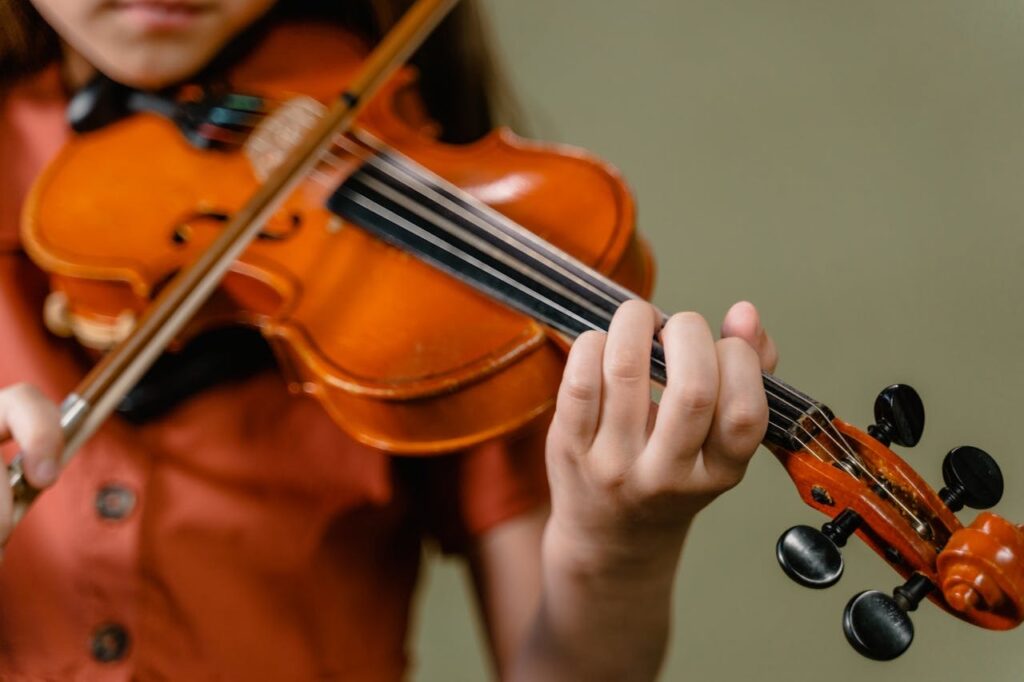
As you implement these eight strategies—from selecting the right teacher to monitoring progress and everything in between—remember to stay attuned to your child’s unique needs and pace. Music, after all, is a personal journey, and your role as a parent is to provide the scaffolding for their growth without overshadowing their individuality. Over time, you may witness not just musical proficiency but also enhanced focus, empathy, and self-expression in other areas of their life.
If the path gets bumpy, draw inspiration from the countless parents who’ve navigated similar challenges successfully. Ultimately, the greatest gift you can give is unwavering belief in their potential. Here’s to harmonious days ahead—may your home be filled with the beautiful sounds of progress and passion. For additional resources, visit goodnever.com for more tips on parenting and child development.