
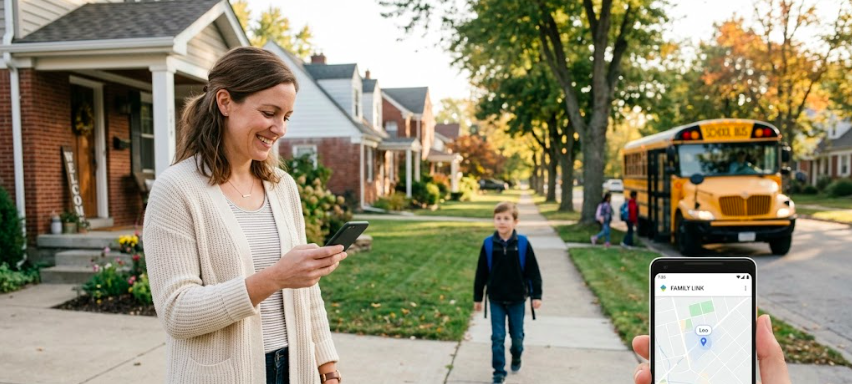
A few extra minutes can feel like hours when you’re waiting for your child to arrive home. In today’s busy world, where children juggle school, activities, and growing independence, staying connected has become more important than ever. Whether they’re walking back from school, visiting friends, or learning to drive, not knowing where they are can quickly become stressful.
GPS trackers for parents offer a practical way to stay connected without constant phone calls or texts. This guide explains how they work, their benefits, and how to choose the right tracker to keep your family safe while respecting your child’s independence.
What Is a GPS Tracker for Parents?
A GPS tracker for parents is a device or app that uses the Global Positioning System (GPS) to show a family member’s location in real time. It helps parents know where their children, teen drivers, or even family vehicles are without relying on frequent phone calls or text messages.
Most GPS trackers work by receiving location data from GPS satellites and sending it to a mobile app through a cellular or Wi-Fi connection. Parents can then view the location, check travel history, receive arrival notifications, and set up geofencing alerts that notify them when someone enters or leaves a designated area.
Parents can choose from several types of GPS tracking solutions based on their family’s needs:
- Wearable GPS trackers: Smartwatches and wearable devices designed for younger children.
- Portable GPS trackers: Compact, battery-powered trackers that fit inside a backpack, purse, or pocket.
- Vehicle GPS trackers: Devices installed in or attached to a car to monitor a teen driver’s location and trips.
Each option offers different features, so the right choice depends on your child’s age, daily routine, and the level of tracking your family is comfortable using.
Why Parents Use GPS Trackers
Parents use GPS trackers to stay informed about their family’s location during everyday activities and unexpected situations. From school pickups to road trips, these devices provide real-time updates that help families stay connected while giving children and teenagers the freedom to become more independent.
Knowing When Children Arrive Safely
One of the most common reasons parents choose child GPS tracking is to confirm that their children arrive safely at school, home, or after-school activities.
For example, if your child rides the school bus, walks home with friends, or attends an after-school class, a GPS tracker lets you know they’ve arrived safely without interrupting their day. Instead of wondering if they made it on time, parents can receive location updates or arrival alerts through a mobile app. This added reassurance helps reduce unnecessary worry while allowing children to enjoy more independence.
Tracking Teen Drivers
Handing your teenager the car keys is a major milestone, but it’s natural to wonder if they’ve reached their destination safely. A GPS tracker for teen drivers helps parents stay informed without constantly calling or texting, giving both parents and teens greater confidence on the road.
With a GPS tracker, parents can:
- View the vehicle’s real-time location during daily commutes or longer trips.
- Confirm safe arrivals at school, work, or a friend’s house with location updates.
- Review trip history to understand driving routes and travel patterns.
- Receive alerts if the vehicle enters or leaves specific areas using geofencing.
Finding Family Members During Travel
Family vacations, amusement parks, shopping malls, and busy events can make it easy for someone to get separated. A family GPS tracker helps parents quickly locate children or other family members without wasting time searching crowded areas. It also makes coordinating meet-up locations much easier during road trips or group outings.
Emergency Situations
Unexpected situations can happen at any time, from vehicle breakdowns to missed pickups or medical emergencies. Many GPS trackers include SOS features, live location sharing, and instant alerts that allow parents to respond more quickly.
Having access to accurate location information can save valuable time when every minute matters.
Benefits of GPS Trackers for Parents
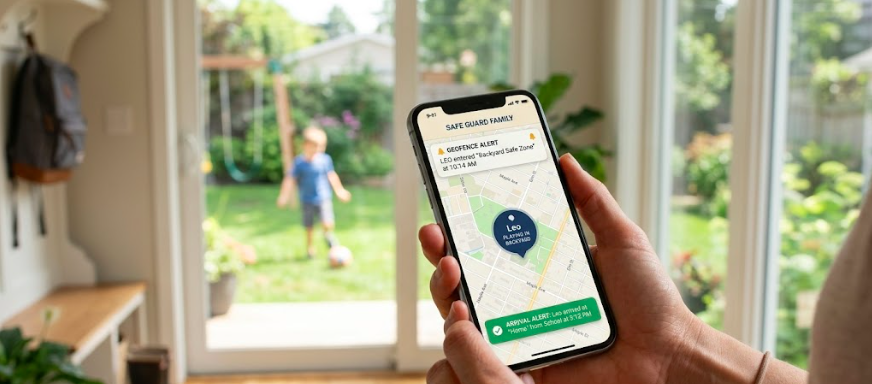
GPS trackers offer more than just location updates. They include practical features that help parents stay connected, improve family safety, and manage daily routines with greater confidence.
- Real-time tracking: Check your child’s live location anytime through a mobile app. This helps parents stay informed without making repeated calls or sending text messages.
- Geofencing alerts: Create safe zones around places like home or school. You’ll receive an instant notification when your child enters or leaves those locations.
- Location history: Review previous routes and travel history to understand daily routines. This can be useful for confirming school commutes or regular activities.
- Emergency alerts: Many GPS trackers include an SOS button that sends an emergency notification along with the user’s location. This allows parents to respond more quickly when help is needed.
- Added convenience: GPS tracking reduces uncertainty during busy days and makes it easier to coordinate school pickups, activities, and family outings with less stress.
How to Choose the Right GPS Tracker
The best GPS tracker for parents depends on your family’s needs and how the device will be used. Before making a decision, compare the following features to find a tracker that offers reliable performance and everyday convenience.
- Battery life: Choose a tracker with a long-lasting battery, especially if your child spends extended hours at school or outdoor activities. Longer battery life means fewer interruptions and less frequent charging.
- Tracking accuracy: Look for a device that provides accurate, real-time location updates. Reliable tracking helps you know exactly where your child or family vehicle is when it matters most.
- Coverage: Make sure the tracker works in the areas where your family travels. Devices with nationwide or international coverage are a better choice for frequent travelers.
- Mobile app quality: A user-friendly app makes it easier to view live locations, receive alerts, and manage settings. Simple navigation is especially helpful during emergencies.
- Subscription costs: Some GPS trackers require a monthly service plan to access real-time tracking. Compare pricing and included features to choose an option that fits your budget.
- Waterproof and durable design: If the tracker will be used by younger children or during outdoor activities, select a model that can handle rain, accidental drops, and everyday wear.
- Ease of use: The tracker should be simple to install, activate, and operate. An easy setup allows parents to start using the device quickly without a complicated learning curve.
Privacy and Trust
A GPS tracker can give parents peace of mind, but it works best when combined with open communication and mutual trust. Technology should support active parenting, not replace regular conversations, guidance, and family rules. The goal isn’t to monitor every move but to help keep children safe while encouraging them to become more independent. Being honest about why you’re using a GPS tracker helps children understand its purpose and builds trust over time.
Parents can use GPS tracking responsibly by:
- Explaining its purpose: Let your child know the tracker is there for safety, not to control their daily activities.
- Respecting their independence: As children grow older and become more responsible, give them more privacy whenever possible.
- Using it only when needed: Check their location during school commutes, travel, or emergencies instead of monitoring them throughout the day.
When parents combine GPS tracking with trust and open communication, it becomes a helpful safety tool that supports both security and independence.
When Is a Dedicated GPS Tracker a Better Choice?
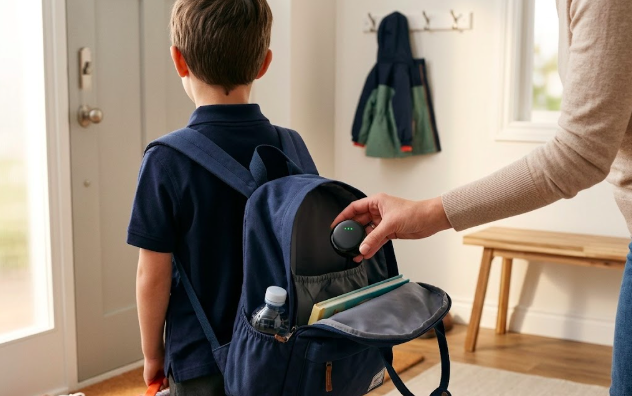
While smartphone location-sharing apps are useful, they aren’t always the best solution. A dedicated GPS tracker is often a better choice when you need reliable tracking without depending on a phone’s battery, settings, or availability. Devices like the SpaceHawk GPS Tracker are designed specifically for real-time tracking, making them a practical option for families who want dependable location updates.
A dedicated GPS tracker is especially useful for:
- Young children: Easy to carry in a backpack or personal belongings, even if they don’t have a smartphone.
- Teen drivers: Track vehicle location and receive updates when they arrive at their destination.
- Family travel: Stay connected during road trips, vacations, or visits to busy places.
- Family vehicles: Monitor a vehicle’s location to improve security and recover it more quickly if it’s lost or stolen.
For parents who want a reliable tracking solution beyond smartphone apps, a dedicated GPS tracker like SpaceHawk GPS offers added convenience and peace of mind.
Final Thoughts
GPS trackers can help parents stay connected with their families while providing added peace of mind during everyday activities and unexpected situations. From monitoring school commutes to keeping an eye on teen drivers, the right device can make family safety easier without replacing trust and communication.
When choosing a GPS tracker for parents, look for a solution that fits your family’s needs, offers reliable tracking, and is easy to use. Used responsibly, GPS tracking can support your child’s independence while helping you stay prepared when it matters most.
Frequently Asked Questions
Are GPS Trackers Safe for Children?
Yes, GPS trackers are generally safe for children when used responsibly. Parents should explain why the tracker is being used and focus on safety rather than constant monitoring. Open communication helps build trust while keeping children protected.
Do GPS Trackers Require a Monthly Subscription?
Many GPS trackers require a monthly subscription because they use cellular networks to provide real-time location updates. While some devices have no recurring fees, they may offer fewer features or limited tracking capabilities.
Can Parents Track a Child Without a Smartphone?
Yes. A standalone child GPS tracker doesn’t require a smartphone to collect location data. Many wearable and portable GPS trackers send real-time updates directly to a parent’s mobile app, making them a good option for younger children.
Are GPS Trackers Legal for Family Use?
In most places, parents can legally use GPS trackers to monitor their minor children for safety purposes. However, laws may vary depending on your location, so it’s always a good idea to check local regulations before using a tracking device.
How Accurate Are GPS Trackers?
Most modern GPS trackers provide location accuracy within a few feet under normal conditions. However, factors like tall buildings, tunnels, dense trees, and poor network coverage can affect tracking accuracy.