
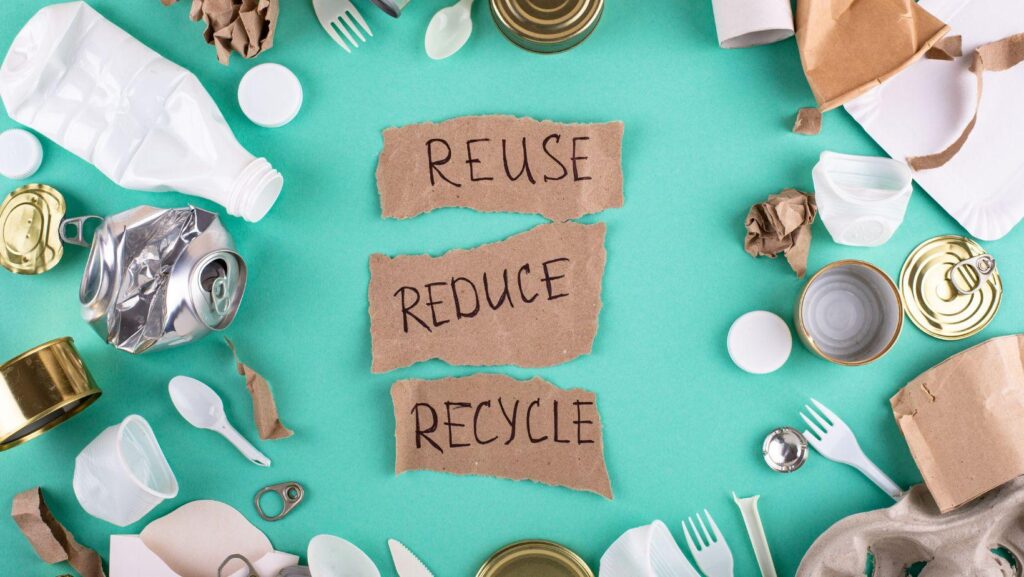
There is something strangely satisfying about owning something that simply refuses to give up. A cast iron pan that has cooked thousands of meals. A wooden dining table that carries the scratches of family dinners instead of heading to the tip after a few years. Even an old backpack that has seen more adventures than some people. These items have stories, character, and one important thing in common. They were built to last. To most of us however, replacing things has become second nature and choosing durable materials feels almost rebellious, but it is a simple decision that can shrink the amount of waste we create while also saving money in the long run. Better still, it encourages us to appreciate what we own instead of constantly chasing the next new thing.
Why Durable Materials Matter
Think about the last item you threw away because it broke. Was it really worn out, or was it simply never designed to survive very long? Many everyday products are made with affordability in mind rather than longevity. They serve their purpose for a while, then fail just in time for you to buy another. Now compare that with products crafted from stainless steel, hardwood, stone, or quality ceramics. These materials have earned their reputation over decades because they can withstand daily use without falling apart at the first sign of pressure. Durability comes down to making smarter choices that stretch resources further. Every item that lasts for years instead of months represents fewer raw materials being extracted, fewer factories producing replacements, and fewer lorries transporting new products across the country. One well-made purchase can quietly replace several cheaper ones over its lifetime, proving that quality often wins the race.
How Long-Lasting Materials Help Reduce Waste
Waste does not begin when something lands in a bin. It actually starts much earlier, with mining, manufacturing, packaging, shipping, and all the energy needed to create a product in the first place. When an item needs replacing every couple of years, that entire process starts all over again. Choosing durable materials slows the cycle. A reusable stainless steel bottle can replace hundreds of disposable plastic bottles. Solid wood furniture may stay in a family for generations instead of ending up at the curb after one house move. Even high-quality cookware can become something you pass on rather than throw away. If you have ever searched online for titanium metal near me, you have probably noticed that this remarkable material is valued for its incredible strength and resistance to corrosion. It is a good example of how investing in resilient materials can mean fewer replacements and far less waste over time. Small choices have a remarkable way of creating lasting change. When households swap just one disposable product for a durable alternative, less rubbish ends up in landfill and the need to manufacture replacement items begins to fall.
The Long-Term Savings of Buying Quality
Quality often comes with a bigger upfront cost, and that initial price can be enough to make shoppers pause. However, the figure on the tag does not reveal the full value of what you are buying. A cheaper frying pan may need replacing every couple of years, meaning five pans could end up in your kitchen over a decade. A well-made alternative, on the other hand, could still be earning its place on the hob years later, becoming even more reliable with every meal it prepares. The same idea applies to shoes, furniture, luggage, and even clothing. Well-made items tend to age gracefully instead of falling apart at the seams. They can often be repaired, polished, or refreshed rather than replaced altogether. There is also something rewarding about using products that improve with age. Leather softens. Wood develops character. Cast iron becomes seasoned. These are not flaws, but reminders that good craftsmanship is meant to last.
Simple Ways to Choose More Durable Products
Buying products that last does not mean spending a fortune every time you shop, it just simply means paying closer attention before making a purchase. So, look for materials with a reputation for durability rather than flashy marketing claims. Check whether spare parts are available if something eventually wears out. Read reviews from people who have owned the product for several years instead of only a few weeks. Second-hand shops and antique stores can also be treasure troves. Many older items were built with repair in mind, making them surprisingly reliable long after newer alternatives have come and gone. And most importantly, resist the temptation to replace something just because a newer version appears on the shelf. If it still works well, it has already become part of the solution.
So the next time you need to replace something, ask yourself a simple question. Will this still be useful years from now? If the answer is yes, you are making a choice that benefits your home, your wallet, and the planet all at once.