
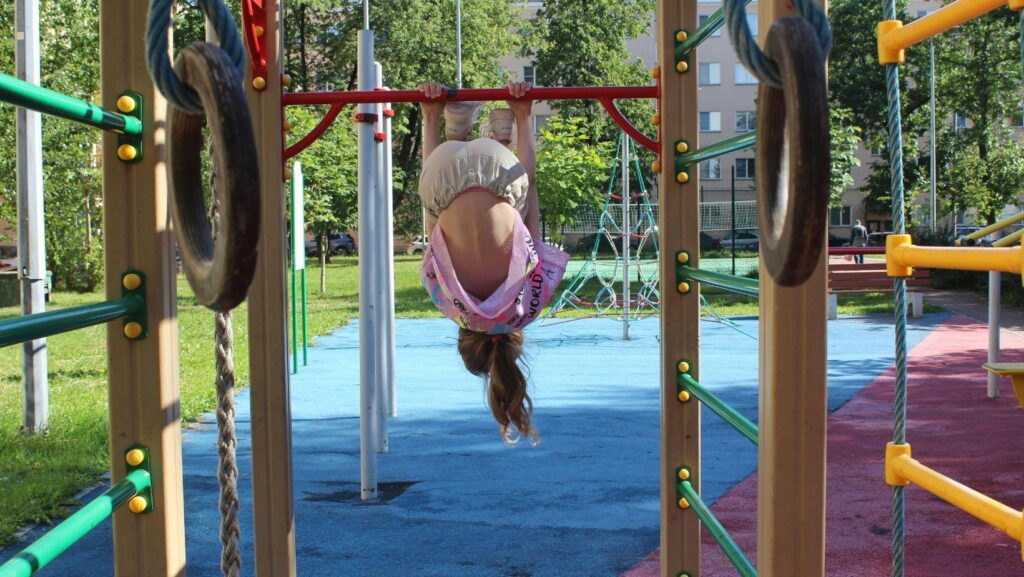
A playground injury can turn a normal day into a stressful scramble. A child may fall from equipment, land hard on unsafe surfacing, trip over a broken edge, or get hurt in an area that should have been better supervised. In that moment, the first concern is always the child’s safety, comfort, and need for medical care.
After the immediate worry settles, reporting the incident can become an important next step. A timely report helps preserve what happened before details fade, equipment changes, or witnesses leave. When a playground hazard may have contributed to the injury, a property injury attorney in San Antonio may help families review whether a school, daycare, city, apartment complex, business, or property owner failed to correct a preventable danger.
The First Report Freezes the Timeline
An early report creates a clear record of when and where the injury happened. This matters because playground accidents can become difficult to explain once time passes. Staff may change shifts, other children may leave, weather may affect the area, and the equipment may be cleaned or adjusted before anyone takes notes.
A report does not need to be complicated to be useful. It may include the date, time, location, equipment involved, visible injuries, names of adults nearby, and a short description of what the child said happened. That first record can later connect the injury, medical treatment, and recovery to the playground incident.
The Hazard May Disappear Before Anyone Looks
Playground conditions can change quickly after an injury. A loose handrail may be tightened, a broken swing may be removed, a sharp edge may be covered, or unsafe surfacing may be repaired. These fixes may improve safety, but they can also make it harder to prove what the child encountered.
Reporting early puts the responsible party on notice while the condition may still exist. Parents should also take photos of the equipment, ground surface, nearby signs, lighting, debris, and surrounding area. If the hazard disappears later, those early details may help show that the danger was present when the child was hurt.
Children May Describe the Accident in Pieces
Children do not always explain injuries in a complete way. A young child may only say they fell, while an older child may leave out details because they are embarrassed, scared, or in pain. They may not immediately mention that the platform moved, the slide was cracked, another child pushed them, or the landing surface felt hard.
Early reporting gives adults a chance to capture the child’s first explanation. Parents can write down the child’s words as closely as possible without pressuring them. Staff members, teachers, or caregivers may also remember what they saw. These early statements can help clarify the difference between ordinary play and a hazard-related injury.
Witnesses Are Easiest to Find Right Away
Playgrounds are often busy places, and important witnesses may be strangers. Another parent may have seen the fall. A teacher may have noticed the equipment problem earlier. A child may know that others were hurt in the same spot before. Those details can become harder to gather once everyone leaves.
A prompt report can help identify who was present. Parents should ask for names, contact information, staff assignments, and any written statements available. Witness accounts can help explain whether the child slipped, tripped, fell through a gap, landed on poor surfacing, or was injured because adults failed to respond to a known risk.
Medical Symptoms Can Change After the First Cry
Some injuries are obvious immediately, such as bleeding, swelling, or a visibly injured arm. Others may appear later. A child may wake up with worsening pain, avoid using a hand, limp the next morning, complain of headaches, vomit after a fall, or seem unusually sleepy or irritable.
An early report helps connect those later symptoms to the original playground event. Without that record, others may question whether the injury happened somewhere else. Parents should seek medical care when symptoms are concerning and keep discharge papers, diagnosis notes, prescriptions, imaging results, and follow-up instructions.
Maintenance Records May Reveal Prior Warnings
A playground injury may not be the first sign of trouble. Property owners, schools, daycares, or managers may have received earlier complaints about loose equipment, damaged surfacing, poor lighting, exposed bolts, missing barriers, or overcrowded play areas. Inspection and repair records may show whether someone had notice of the danger.
Reporting early can help protect these records before they become harder to obtain. Incident reports, work orders, inspection logs, surveillance footage, emails, and prior complaints may explain whether the hazard was known. If the same problem existed before the child was hurt, the injury may look less like a random accident and more like a preventable failure.
Early Notice Can Limit Blame-Shifting
After a playground injury, a property owner or insurer may argue that the child was careless, the parent was not watching closely enough, or the injury was just part of normal play. While children do fall, that explanation may ignore broken equipment, poor maintenance, unsafe surfaces, or lack of supervision.
A prompt report helps keep the focus on facts. It shows that concerns were raised near the time of the incident, not only after the injury became expensive or serious. The more specific the report is, the harder it may be for others to replace the real timeline with assumptions.
A Careful Record Gives Families More Options
Reporting an injury does not mean a family must immediately pursue a legal claim. It simply protects information while the situation is still fresh. If the child heals quickly, the record may never be needed. If the injury becomes more serious, the family will have a stronger foundation for asking questions.
Parents can strengthen the record by saving photos, medical papers, school or daycare messages, receipts, damaged shoes or clothing, and notes about pain or missed activities. When unsafe property conditions contribute to a child’s injury, early reporting can help families understand what happened and whether the harm could have been prevented.